Rituals
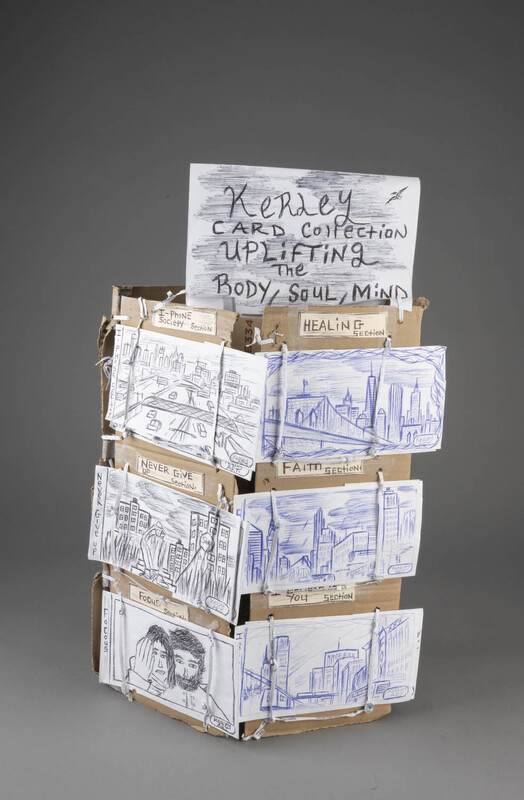
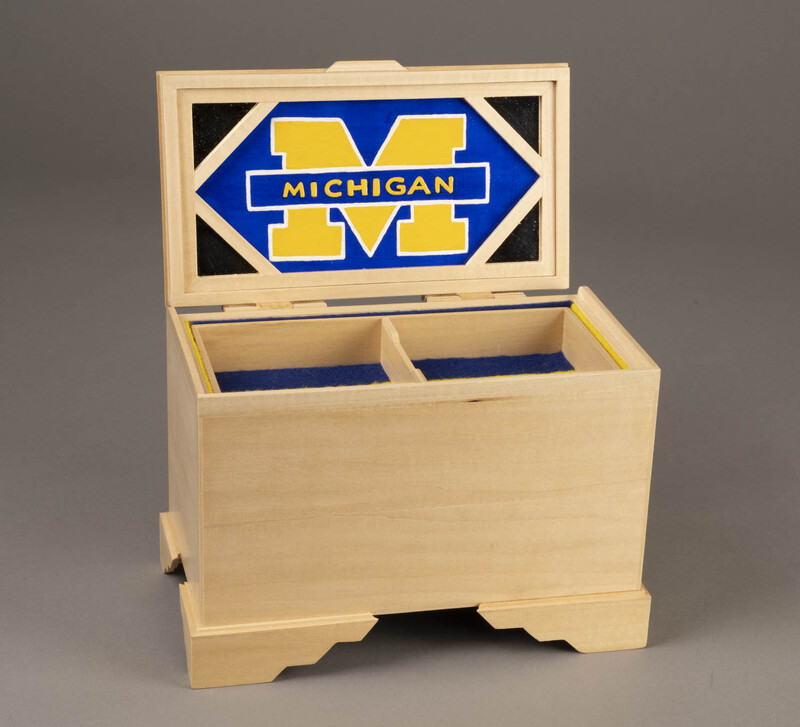
"Kerley Card Collection," Nathan Kerley
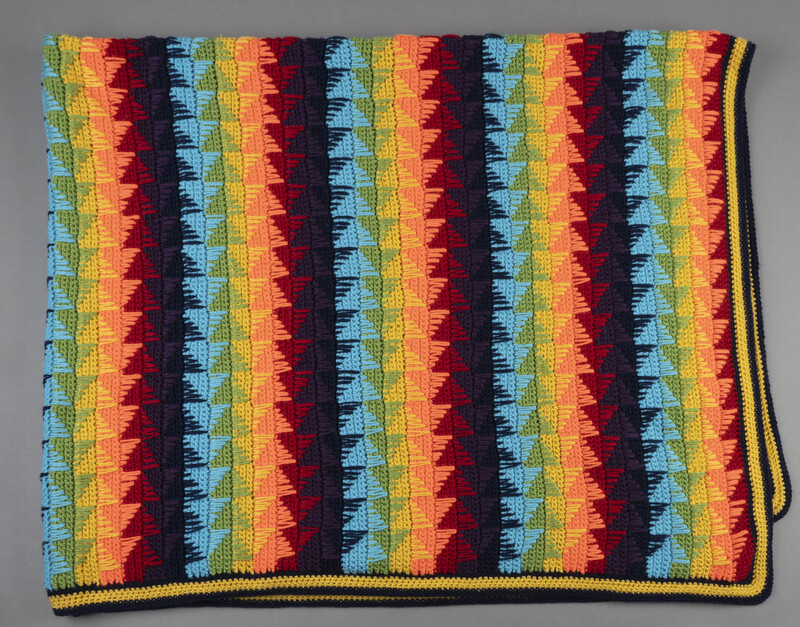
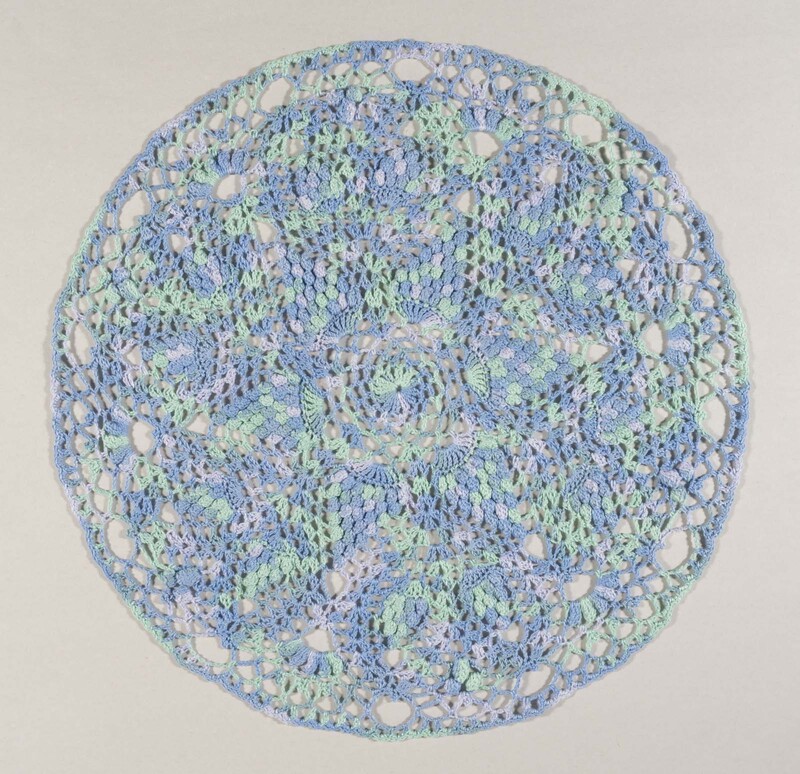
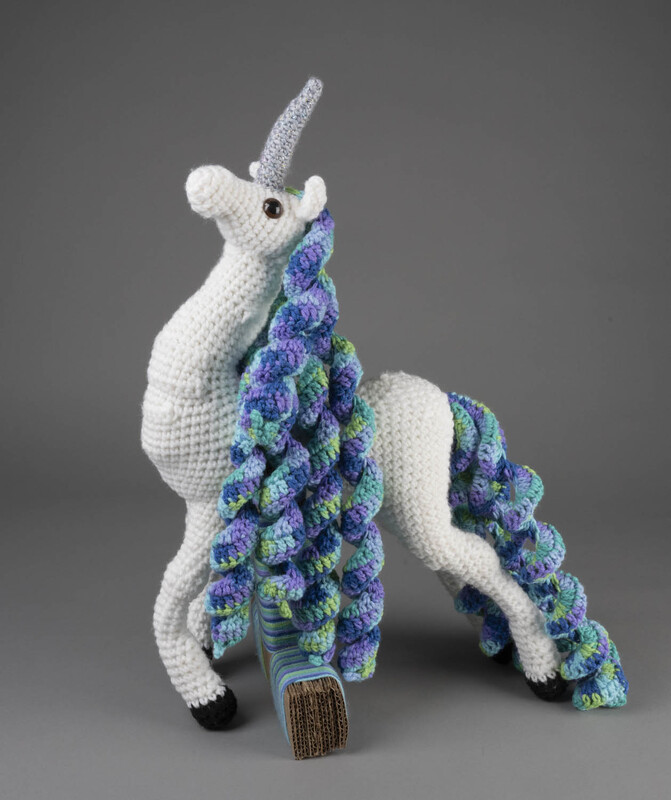
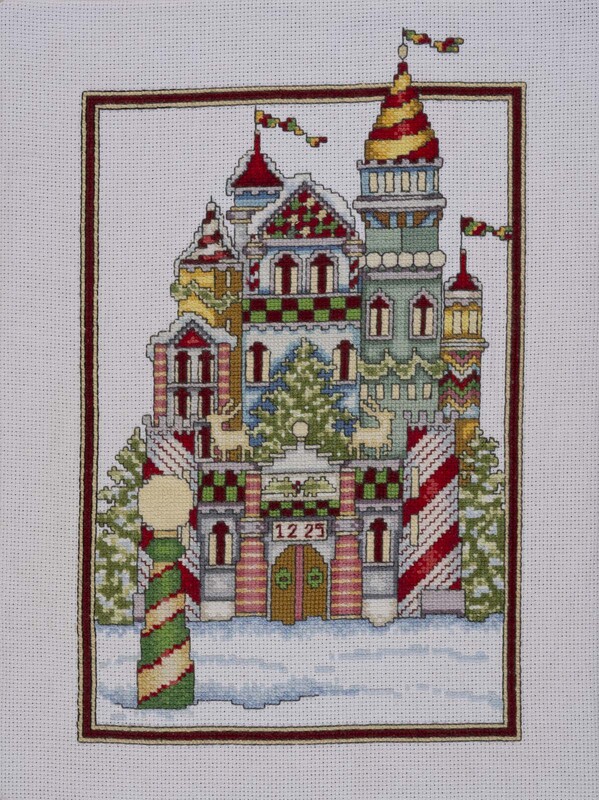
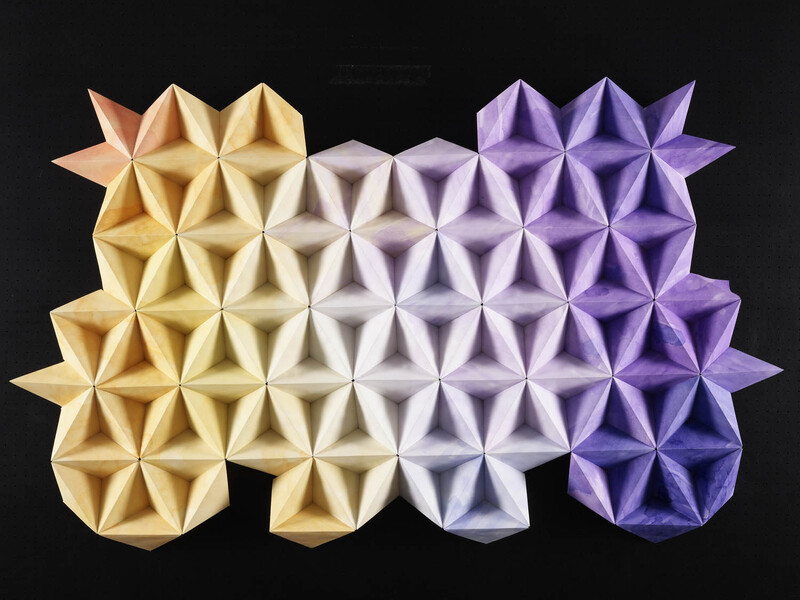
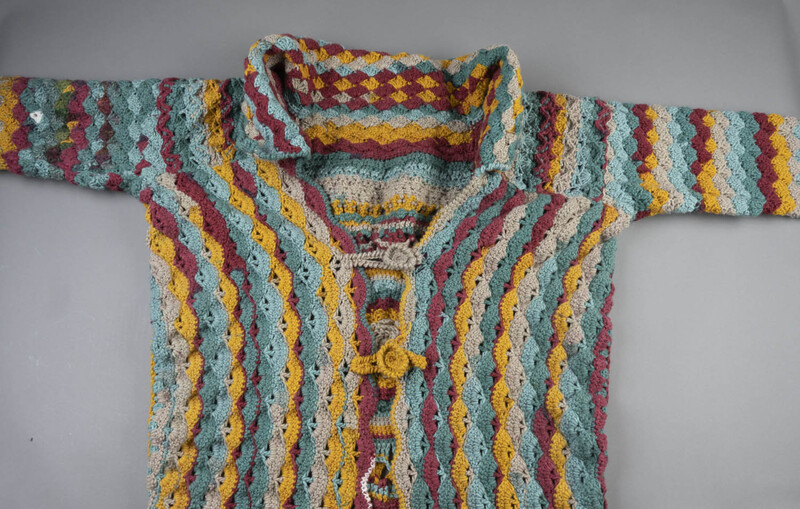
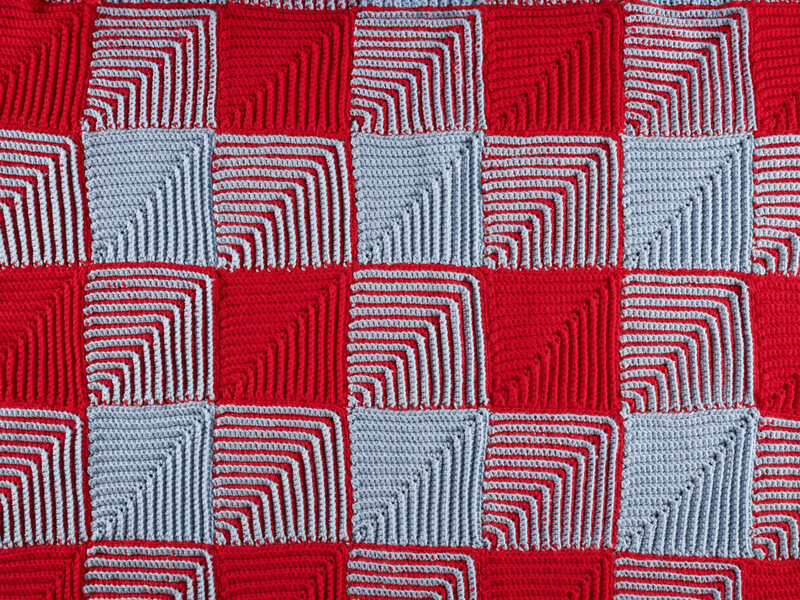
Single crochet, spike stitch, spike stitch, spike stitch, spike stitch, spike stitch, single crochet, spike stitch, spike stitch, spike stitch, spike stitch, spike stitch, single crochet, spike stitch, spike stitch, spike stitch, spike stitch, spike stitch…Christian Troy repeated this pattern hundreds of times when he created Hermes (The Messenger). In his artist statement, he writes about the introspection that the repetitive practice of crochet prompts, “Crochet fosters a profound sense of peace and meditative thought; crochet is a passport for the mind.” Like Troy, many other artists find artistic and personal satisfaction in practices that are repetitive, ritualistic, and iterative. They demonstrate the therapeutic potential of artmaking in prison.
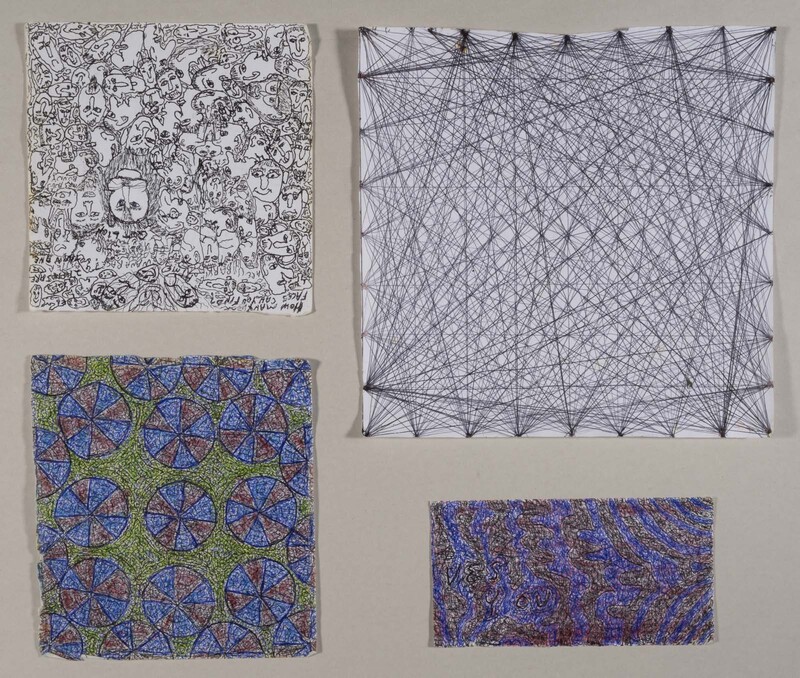
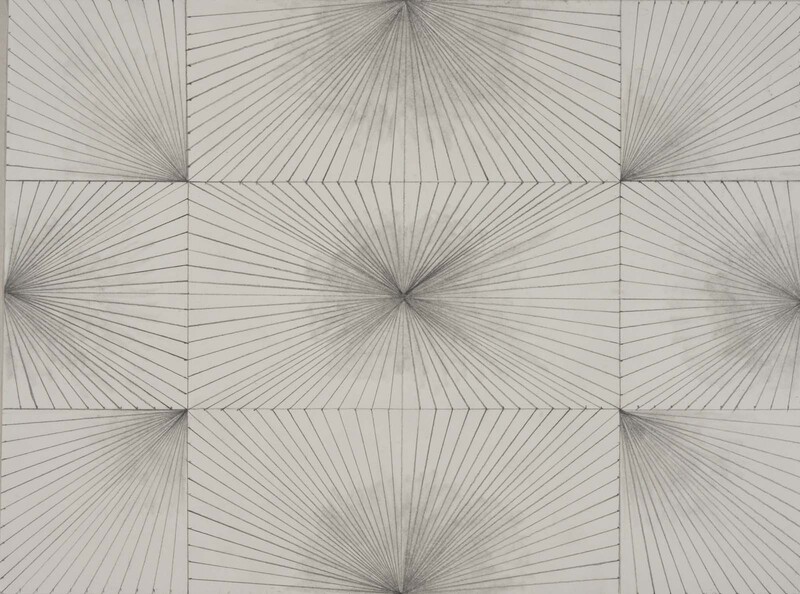
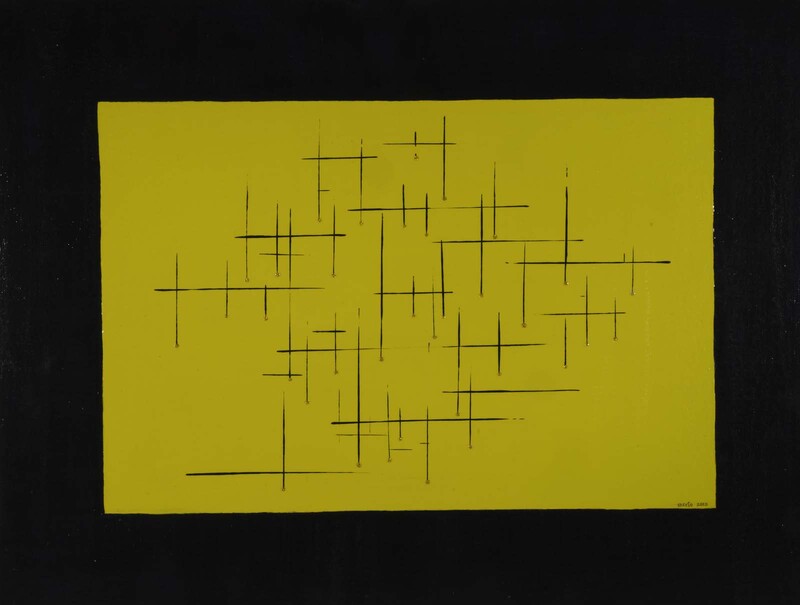
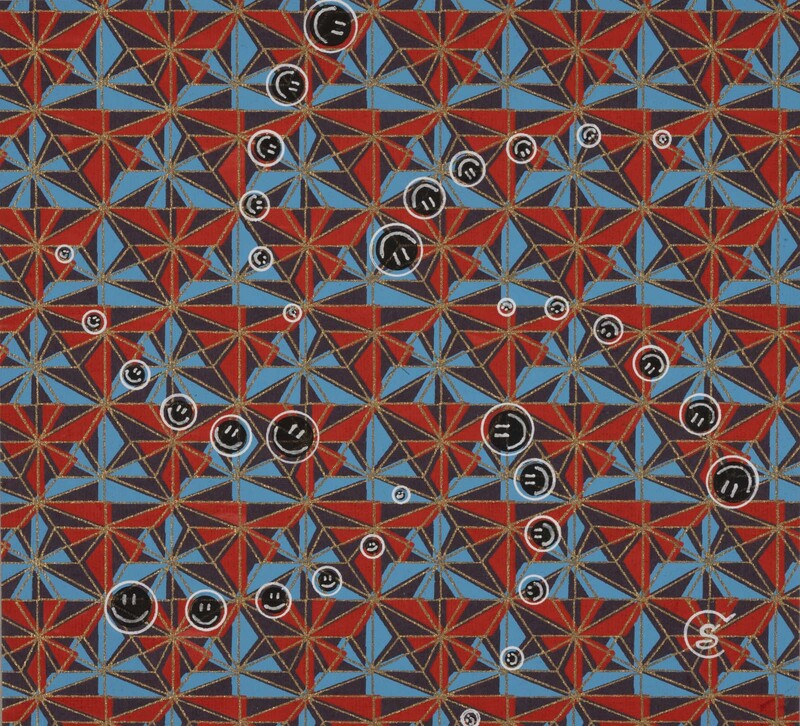
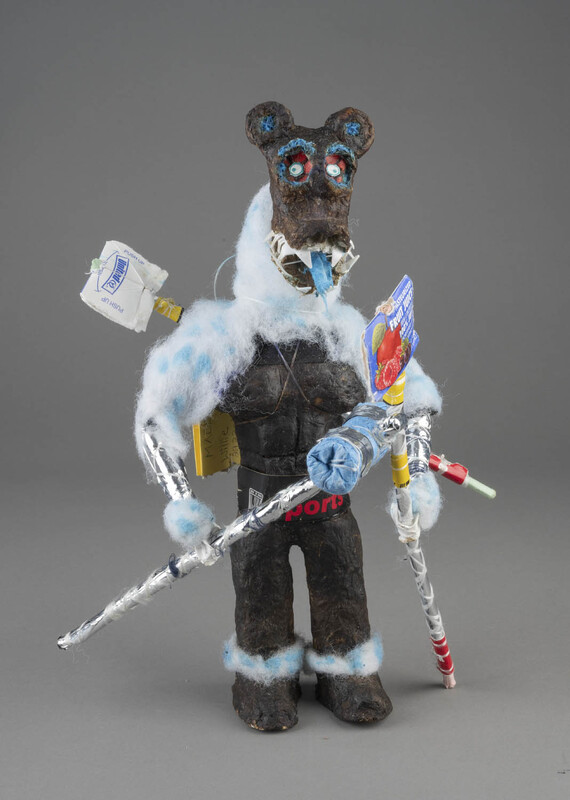
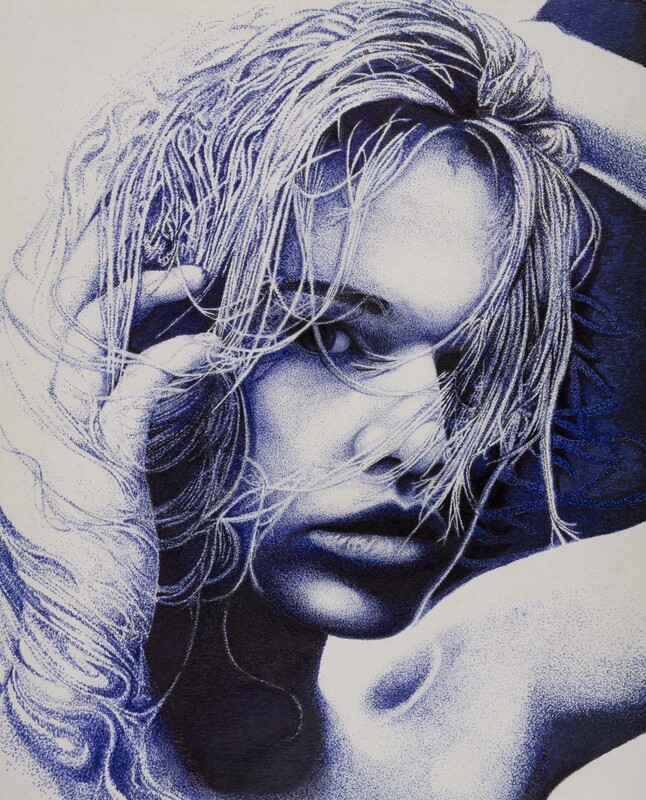
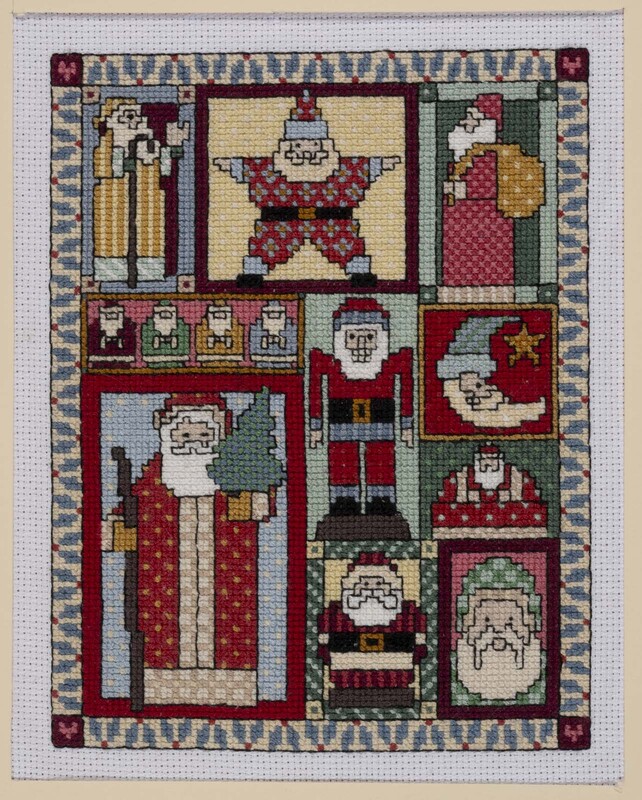
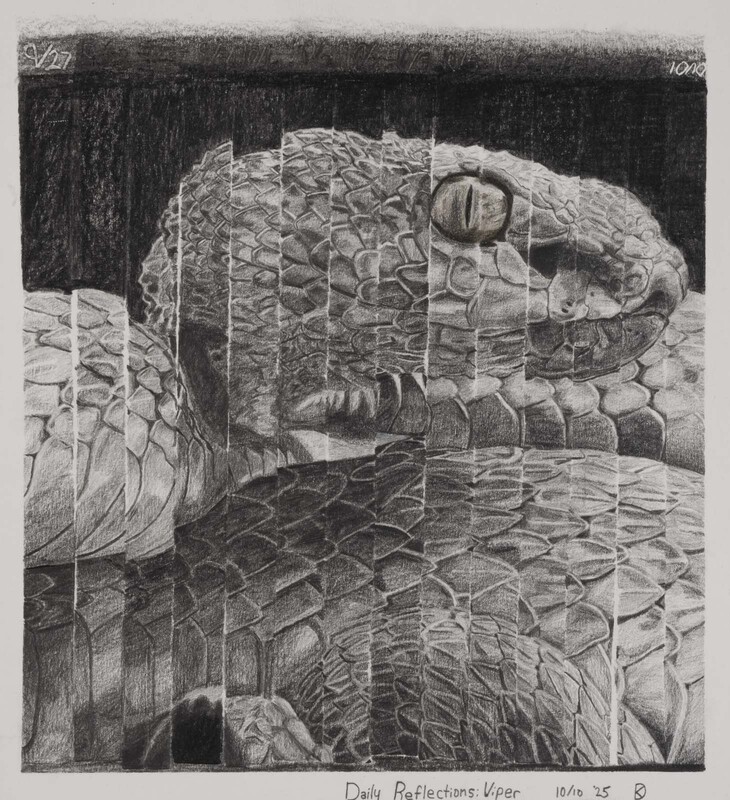
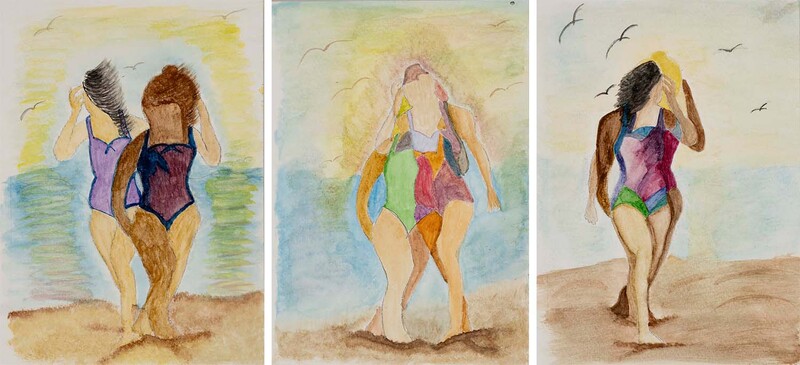
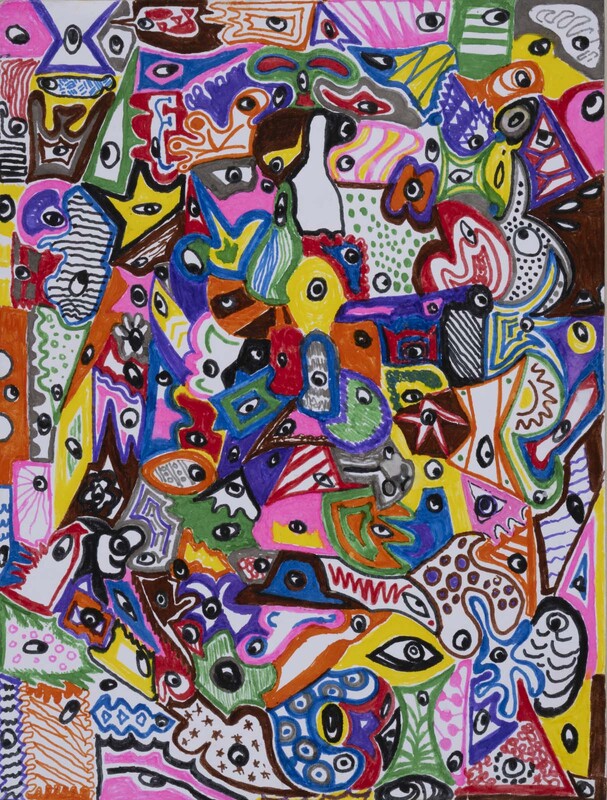
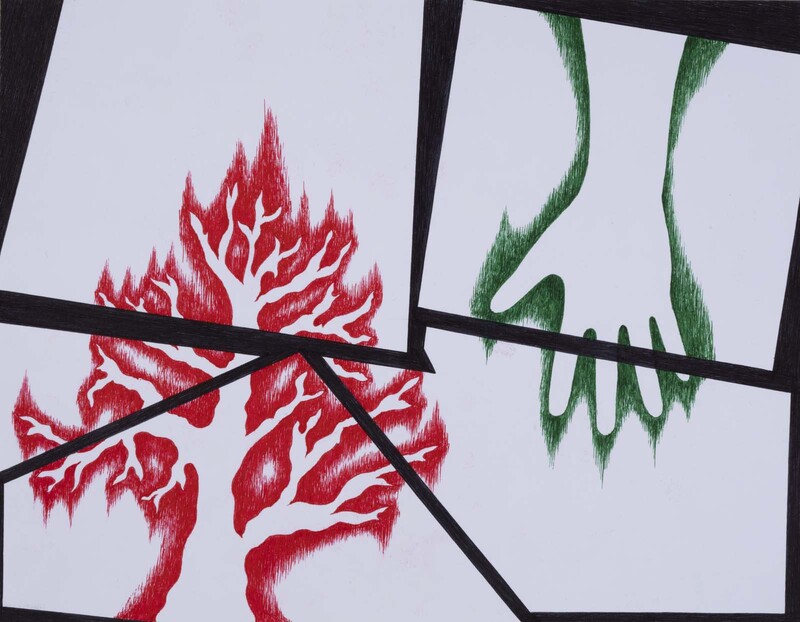
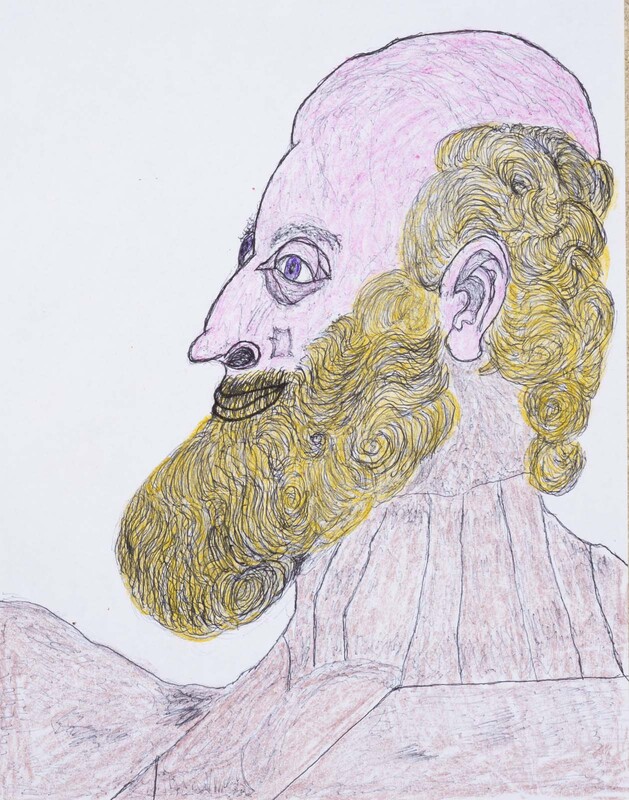
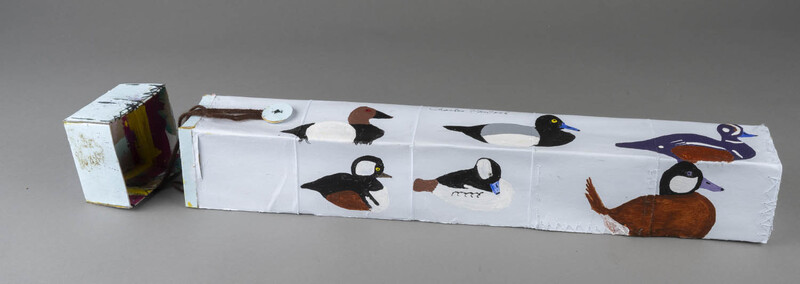
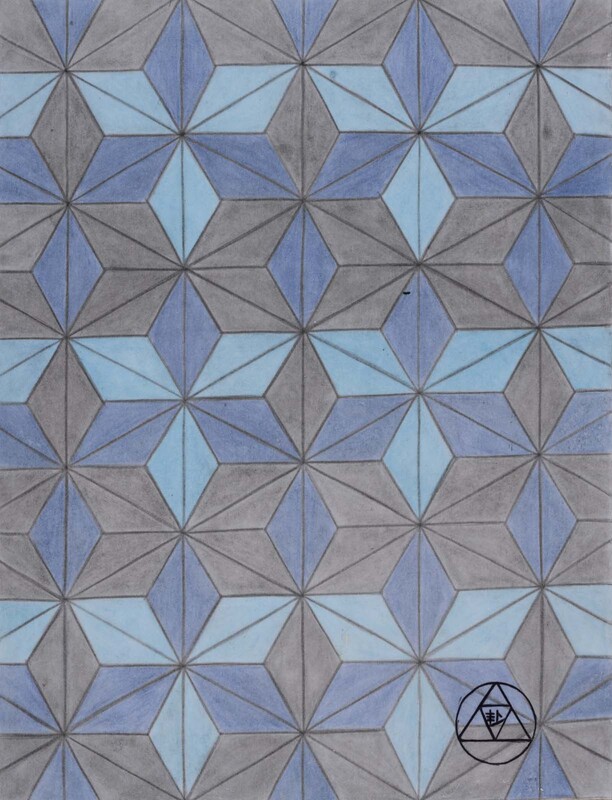
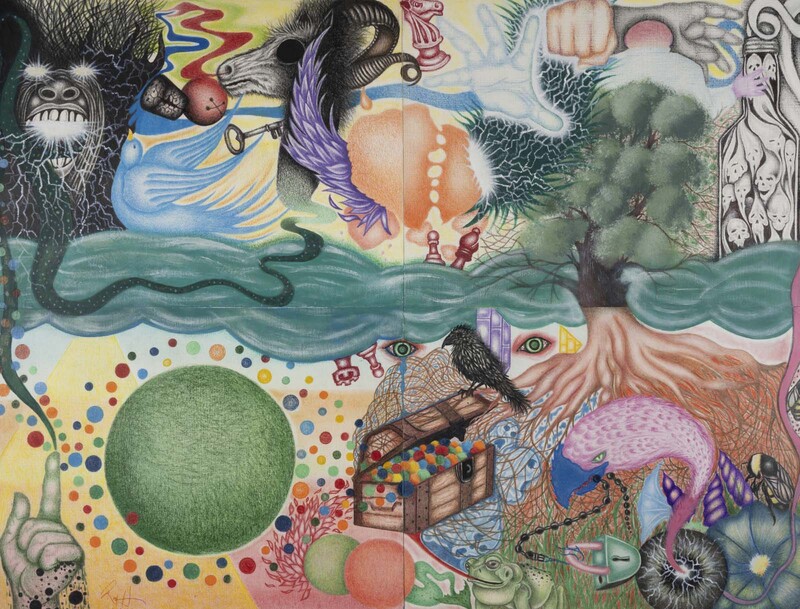
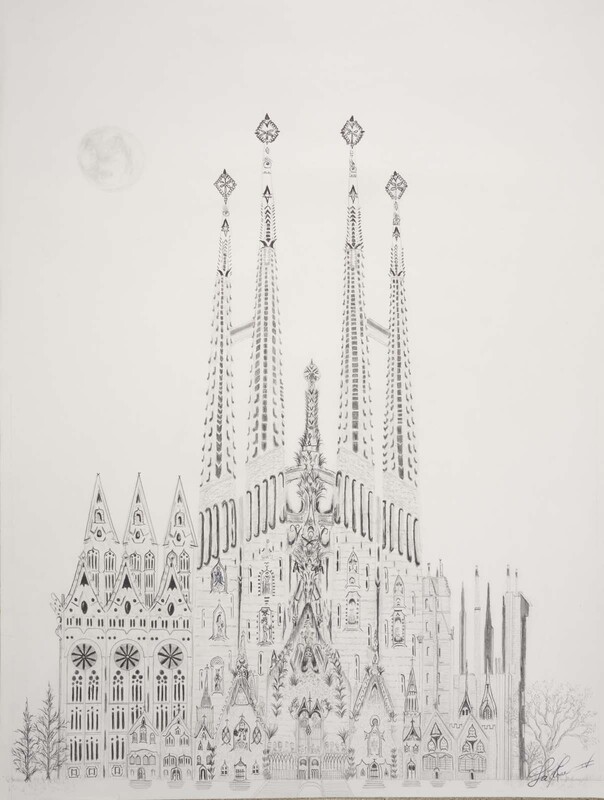
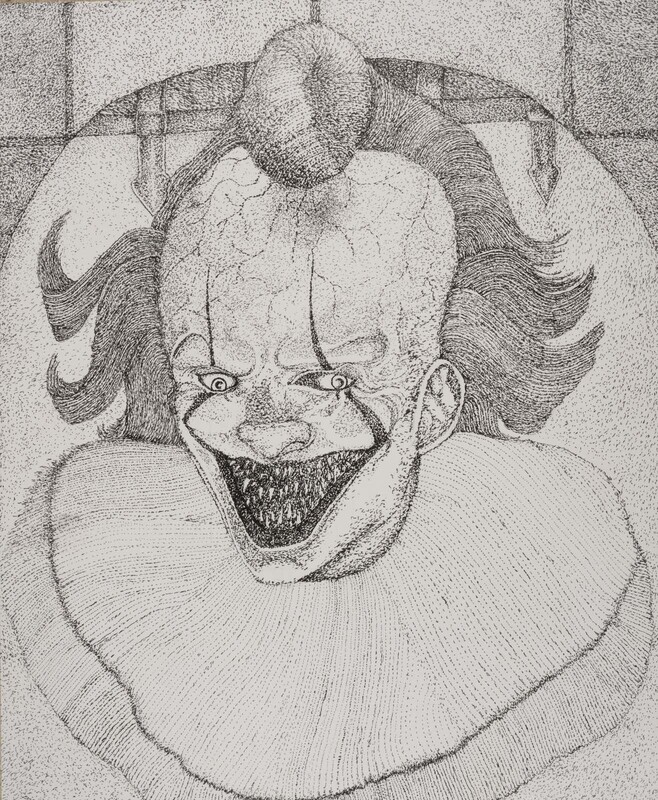
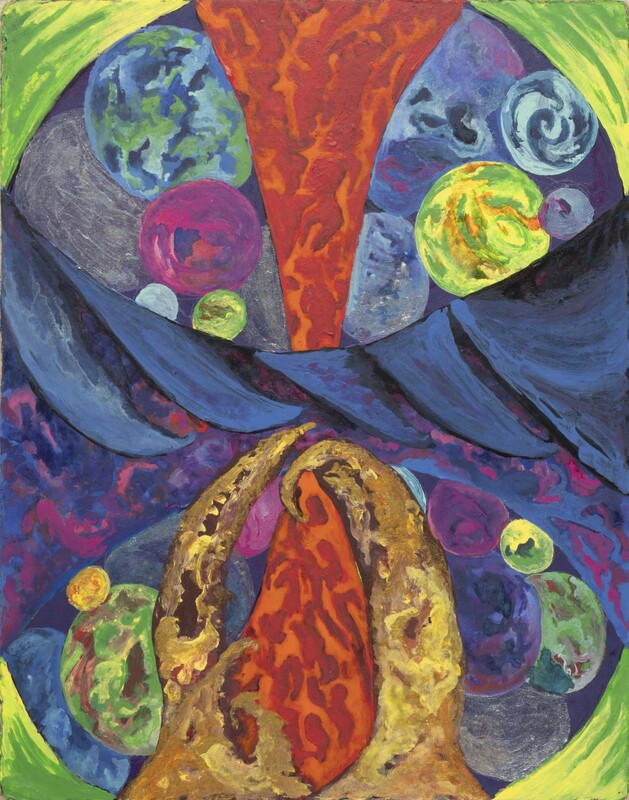
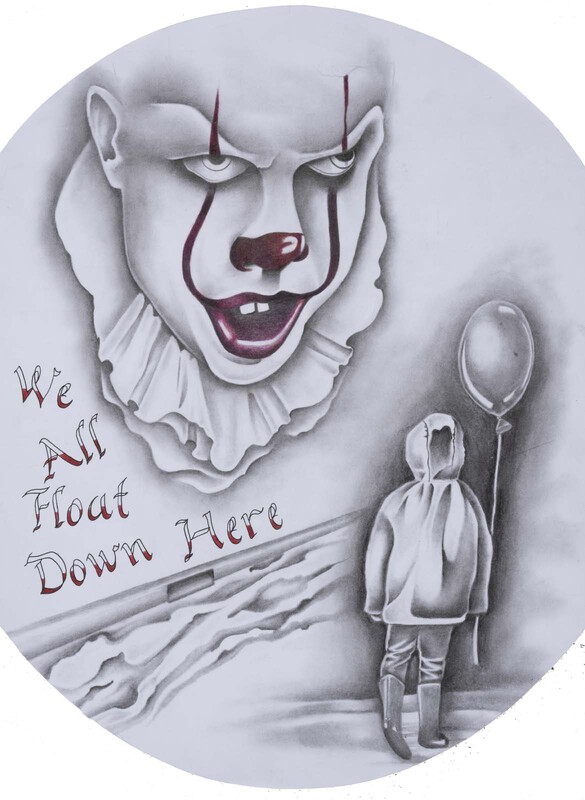
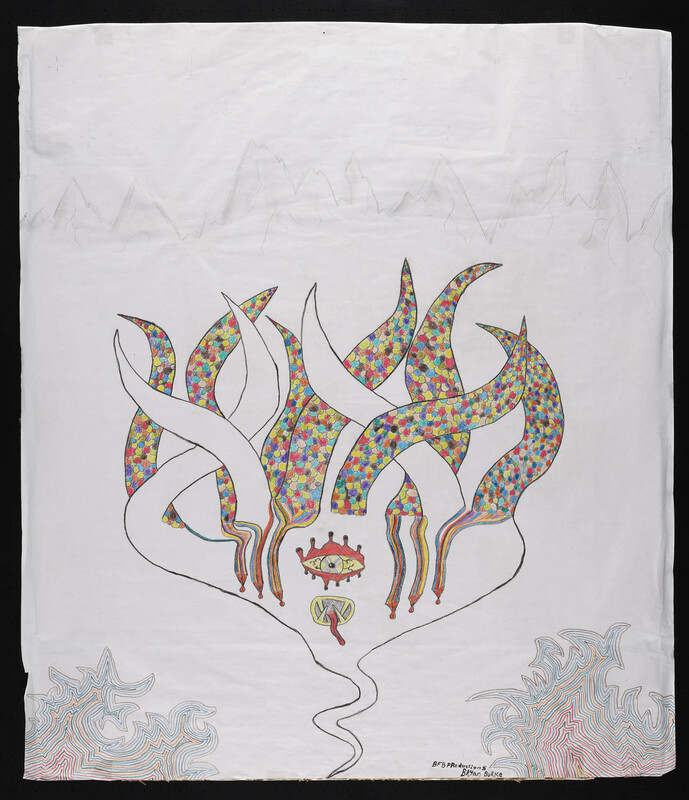
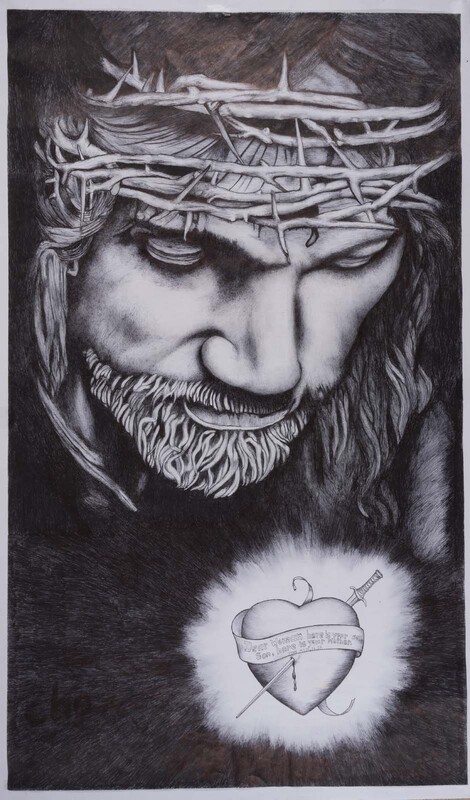
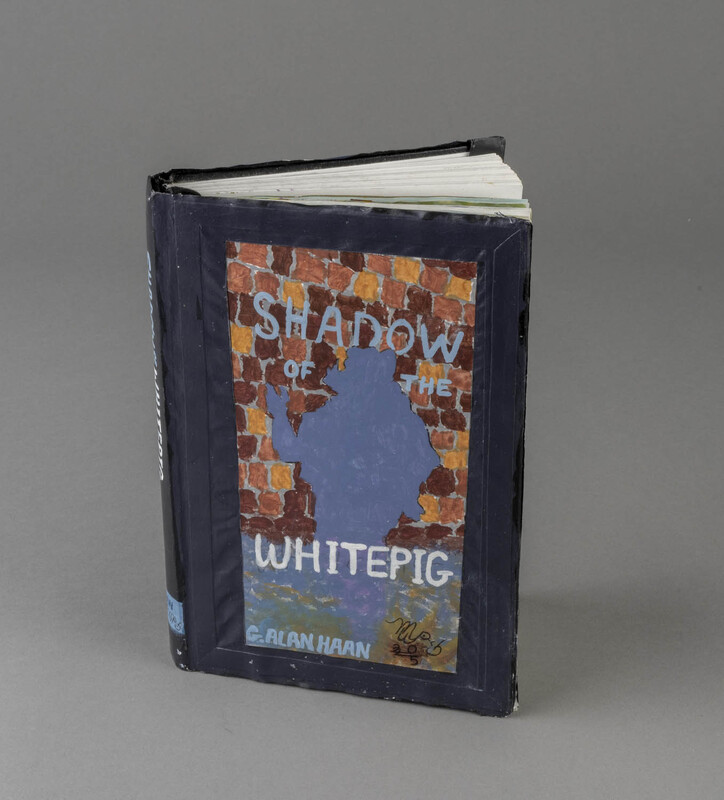
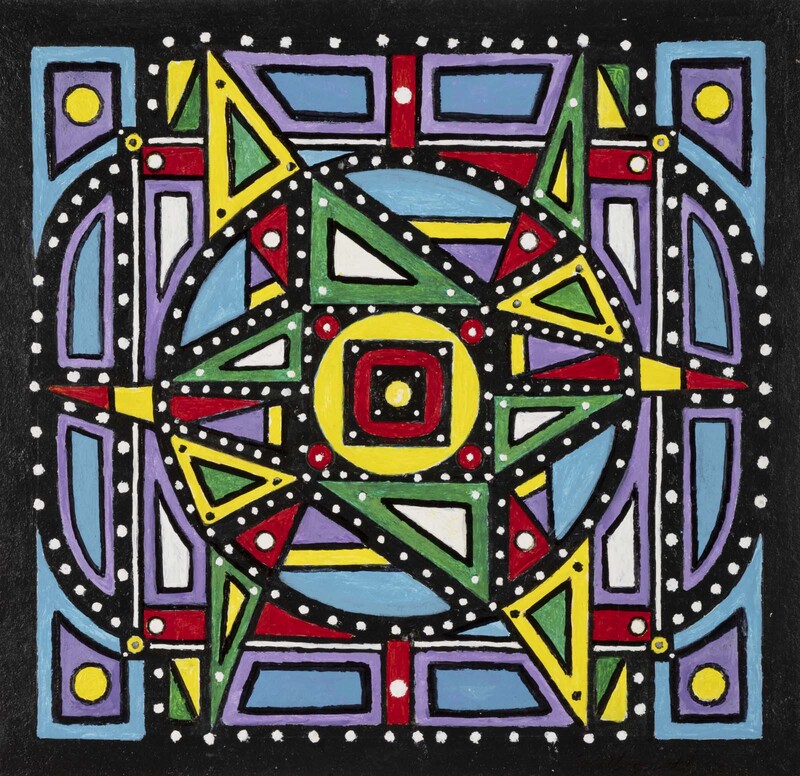
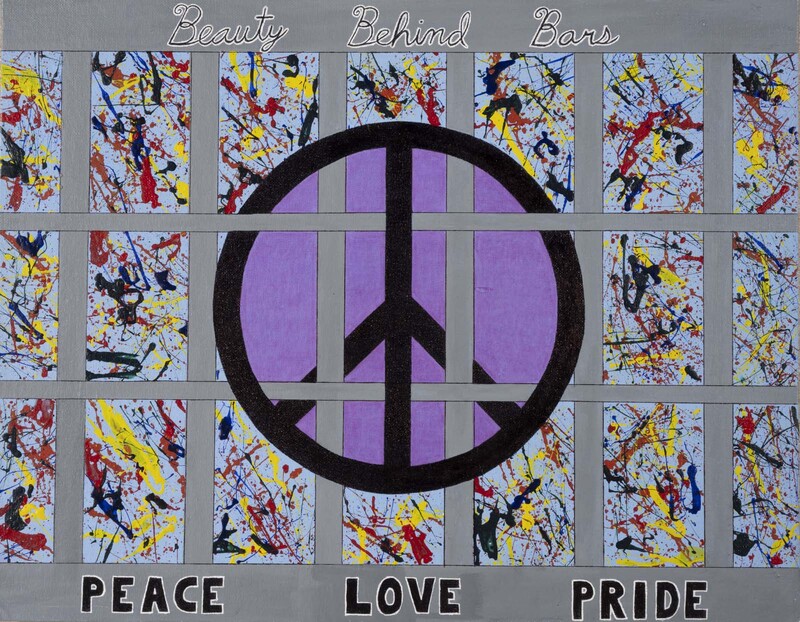
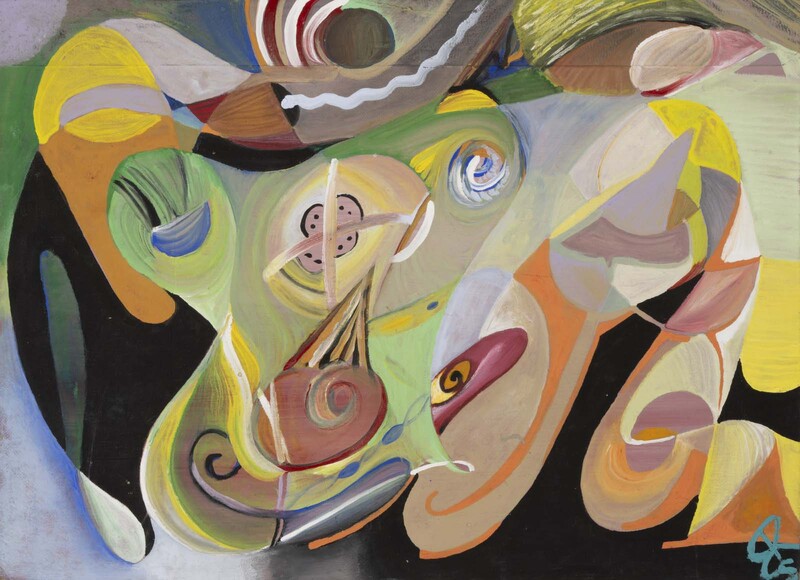
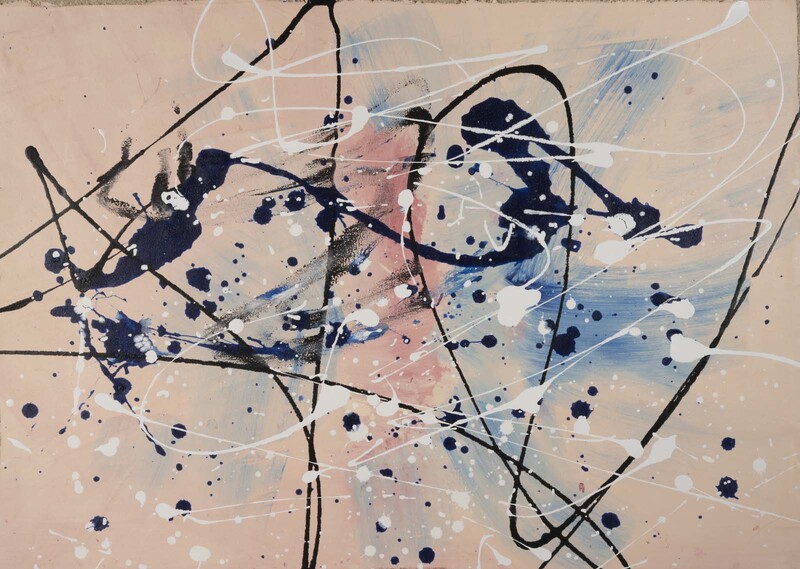
Some of the artists featured here have developed a signature visual style, making them instantly recognizable to long-time patrons of the Annual Exhibition. For them, repetition and iteration of an artistic practice has yielded a sort of artistic identity that makes them legible to gallery visitors. This recognition is in direct contrast to the erasure of individuality imposed by incarceration. Harvey Pell, Jerry Metcalf, Roberto D’Avanzo, and Charles Vanheck are all immediately recognizable in their art, demonstrating styles that have been honed over years. Nathan Kerley’s Card Collection also features the artist’s signature style. Kerley creates cityscapes from memory, often featuring his hometown of Detroit.
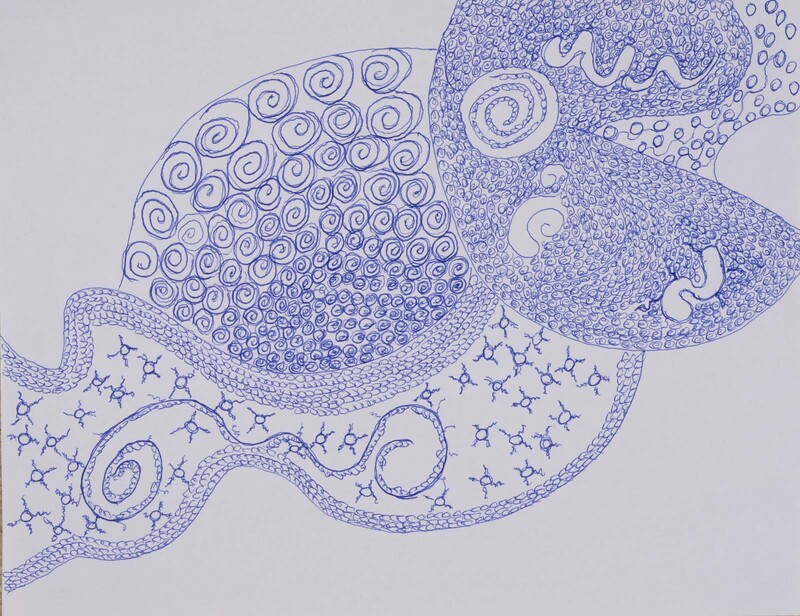
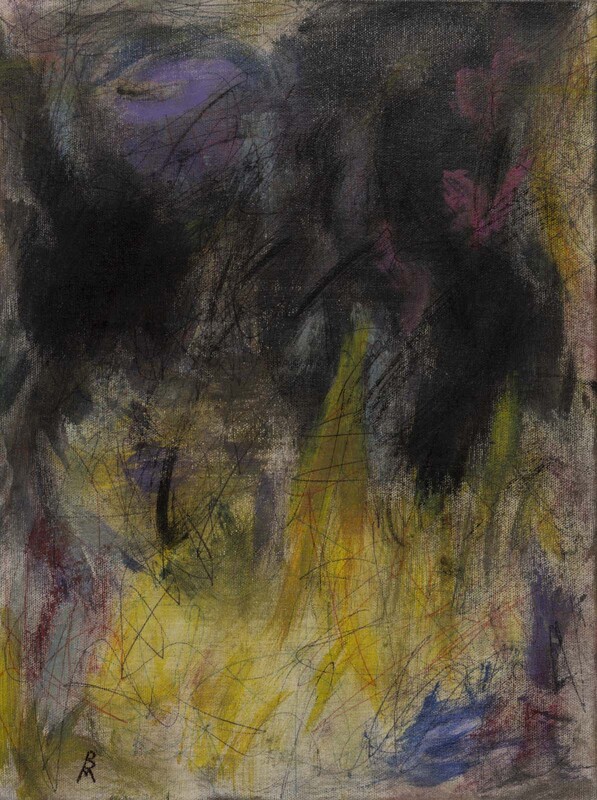
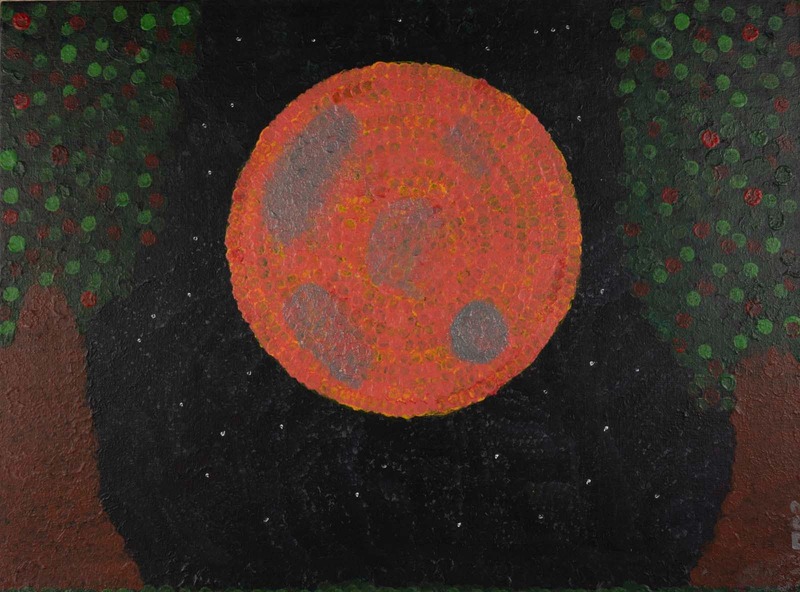
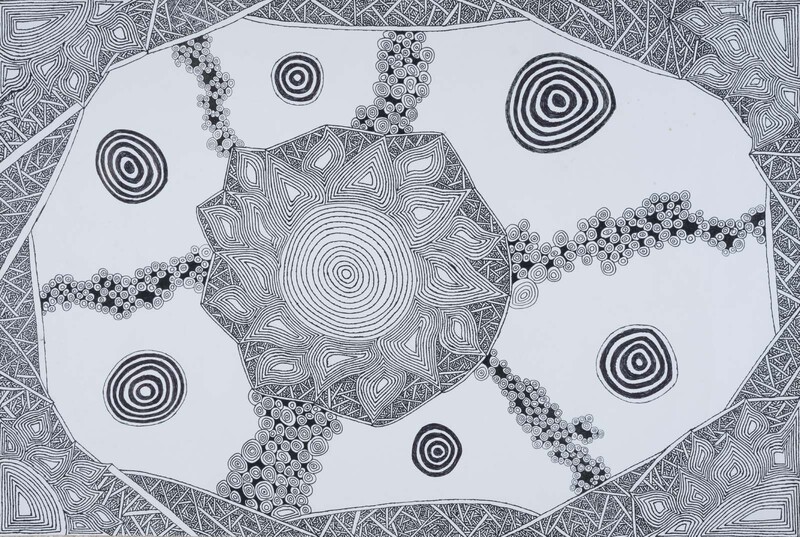
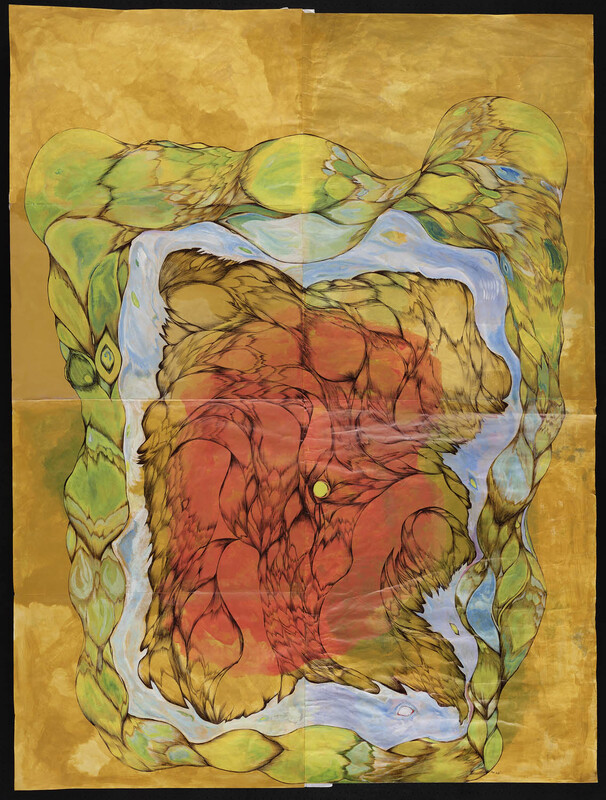
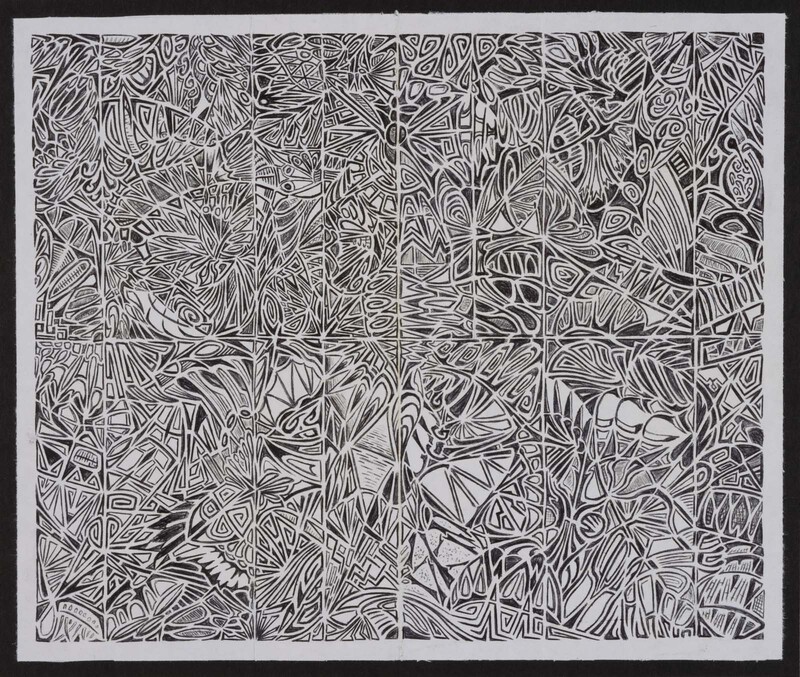
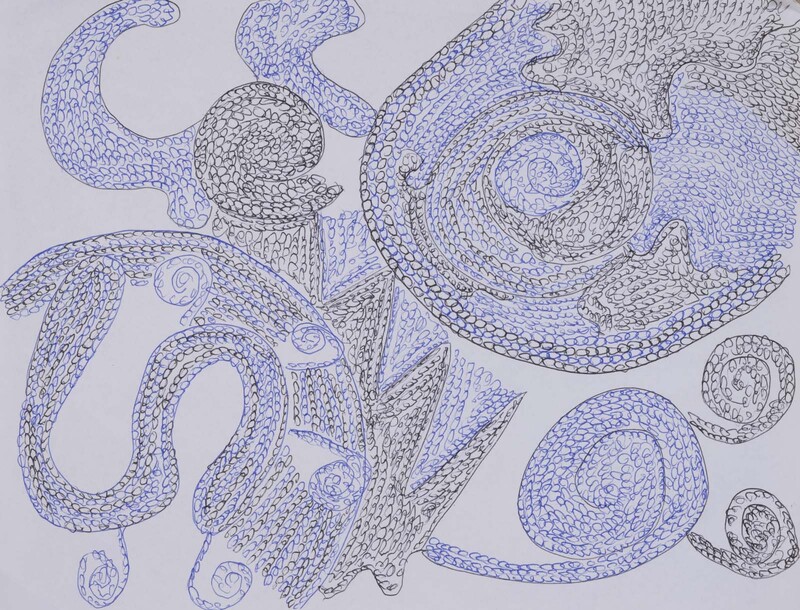
Other artists are more explicit about the therapeutic function of their artistic practice. After surviving a brutal violent attack in prison, Razor Back 44’s mobility was severely limited and he was only able to move his hand enough to make small circular movements. He began creating art by making very small circles that he built into layered abstract drawings. This practice grounded him as he healed physically and endured emotional losses in his family. He writes about the value of his repetitive practice, “My drawing help[s] me with my mood everyday I draw and get better and Better I love it.”
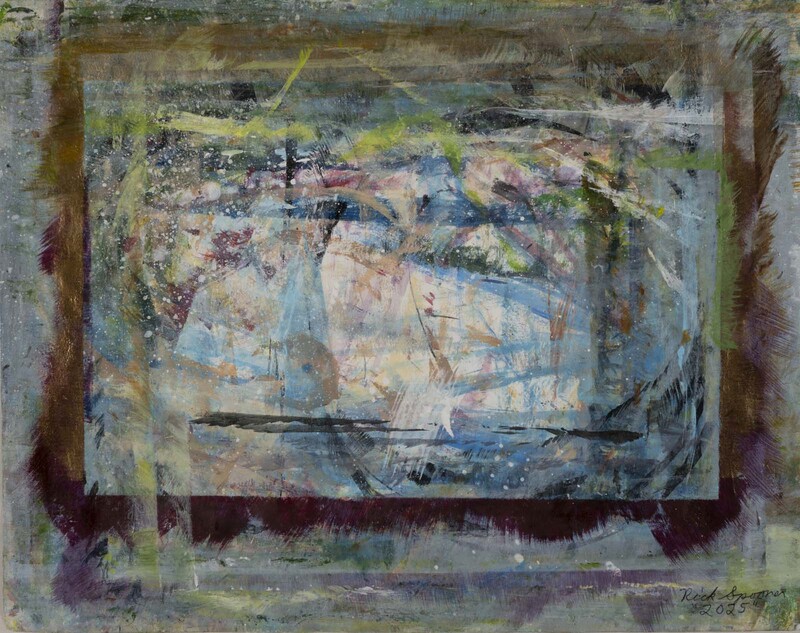
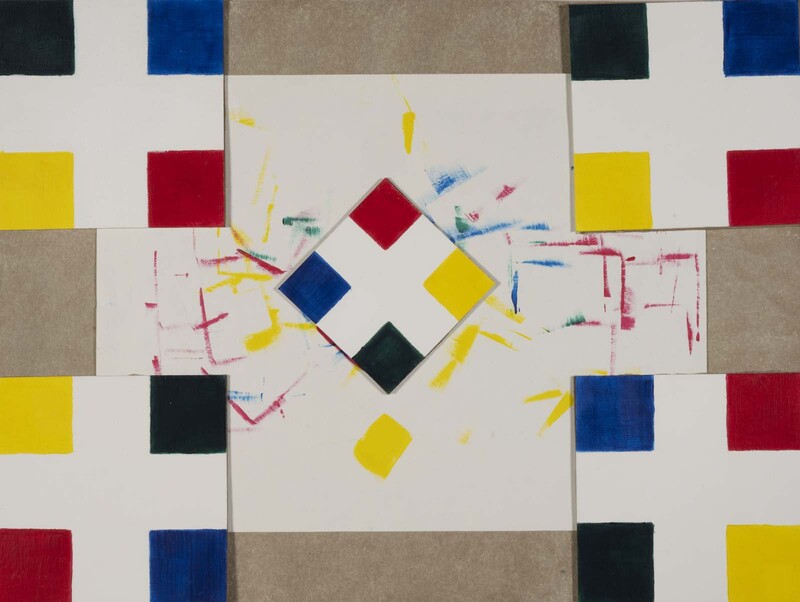
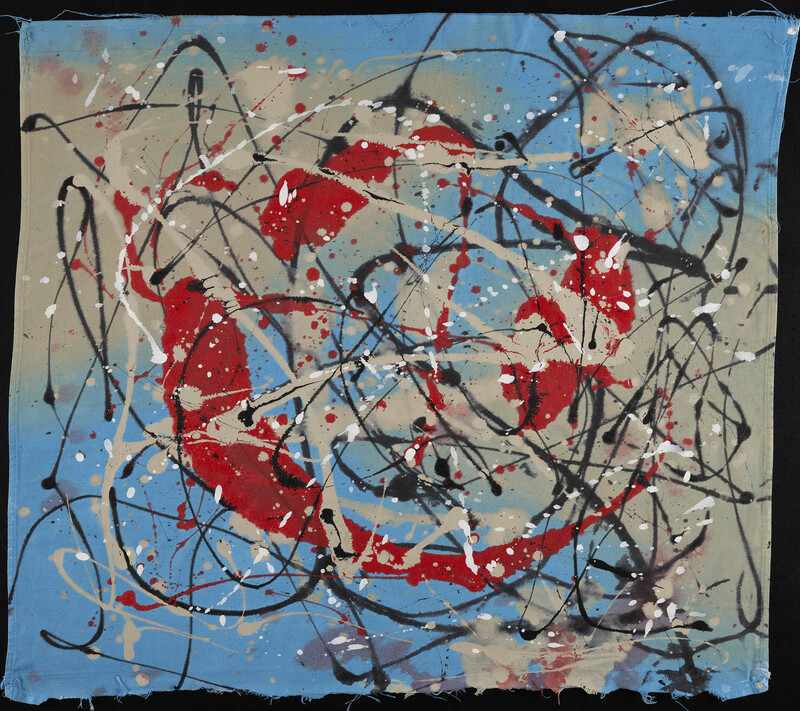
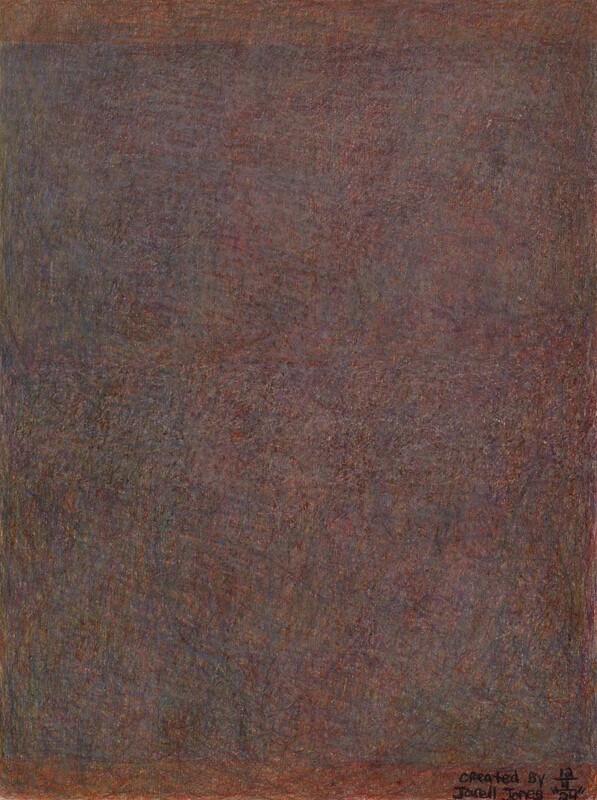
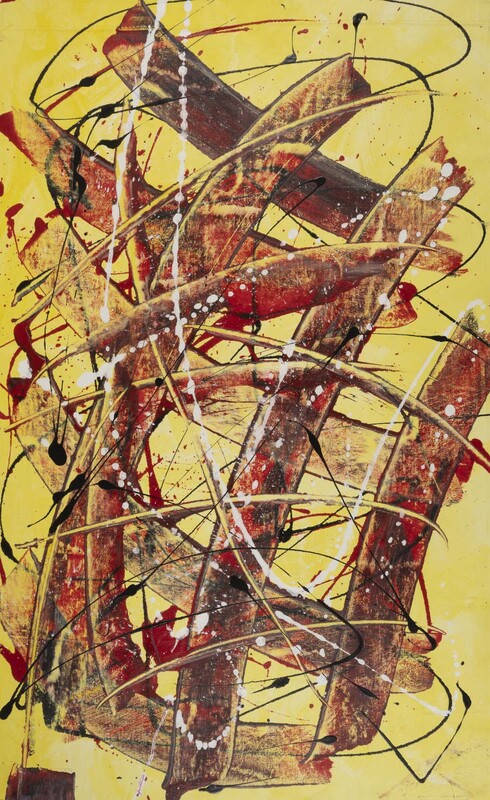
Rick Spooner’s 2025 demonstrates yet another approach to artistic repetition. Spooner used this canvas throughout the year to finish the edges of his other paintings. He overlaid other paintings on top of this canvas so that he could paint all the way to the edge without getting paint on his work surface. In this composition, created over the course of a year, brushstrokes overlap and interweave in multiple directions across the canvas. It serves as an archive of an entire year of Spooner’s prolific artistic practice. Only a dedication to painting nearly everyday could have produced 2025, a testament to the ritualistic role that painting plays in Spooner’s life.
Notably, the artists featured here reclaim repetition and iteration in a place that is dominated by sameness and routine–the same yard, the same food, the same people, the same confinement. They reject the idea that repetition can only serve as a punishment in prison. For these artists, repetition is a meaningful ritual.
By: Nora Krinitsky