Visual Languages
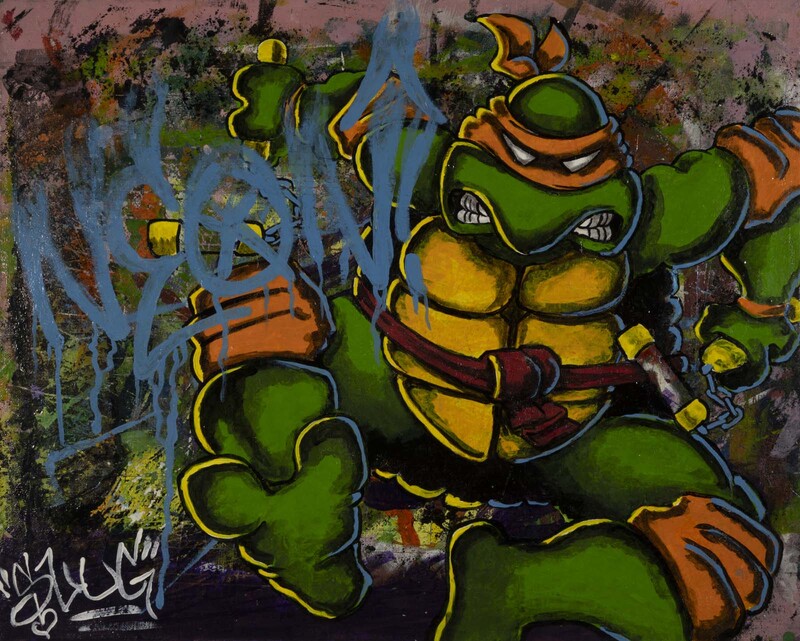
"Neon Ninja," Parker "SLUG" Ayers
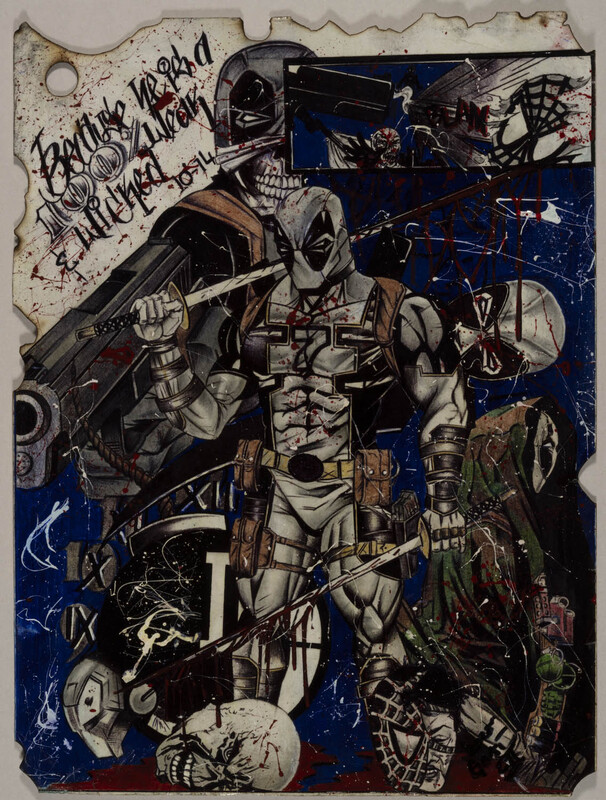
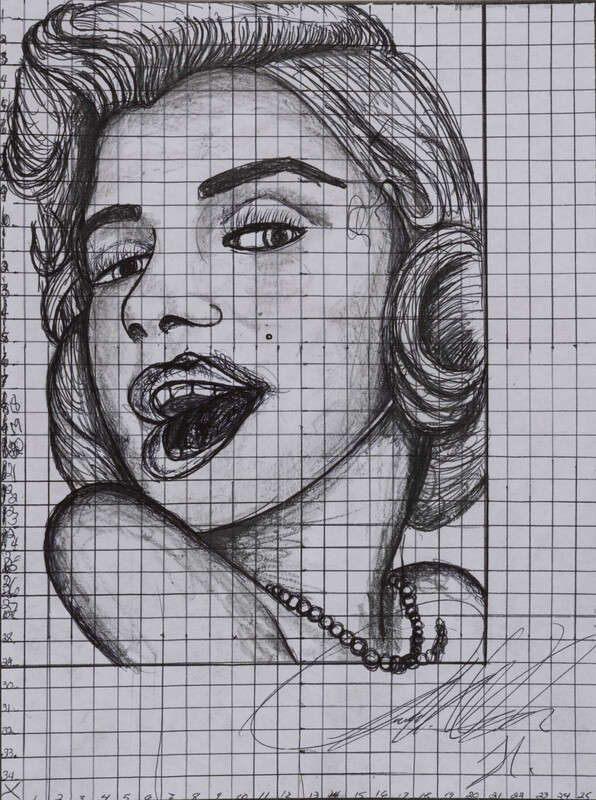
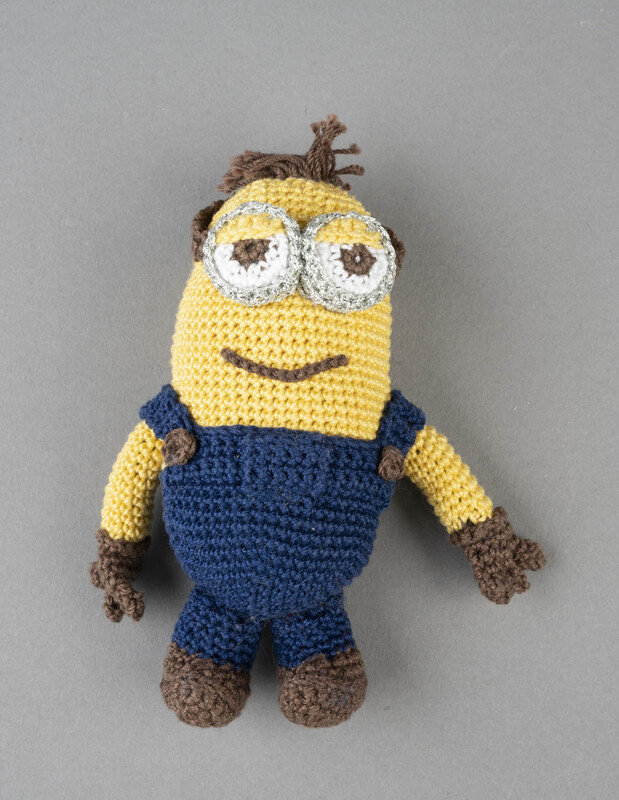
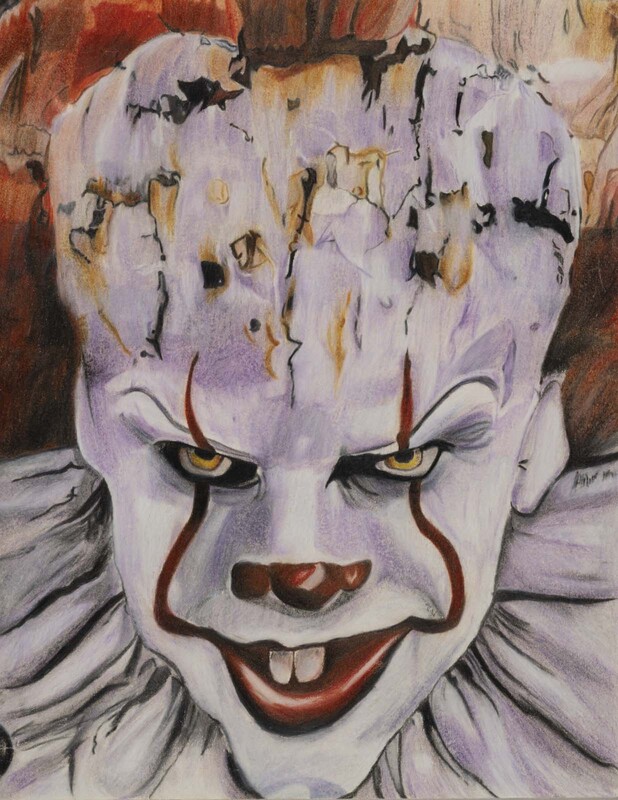
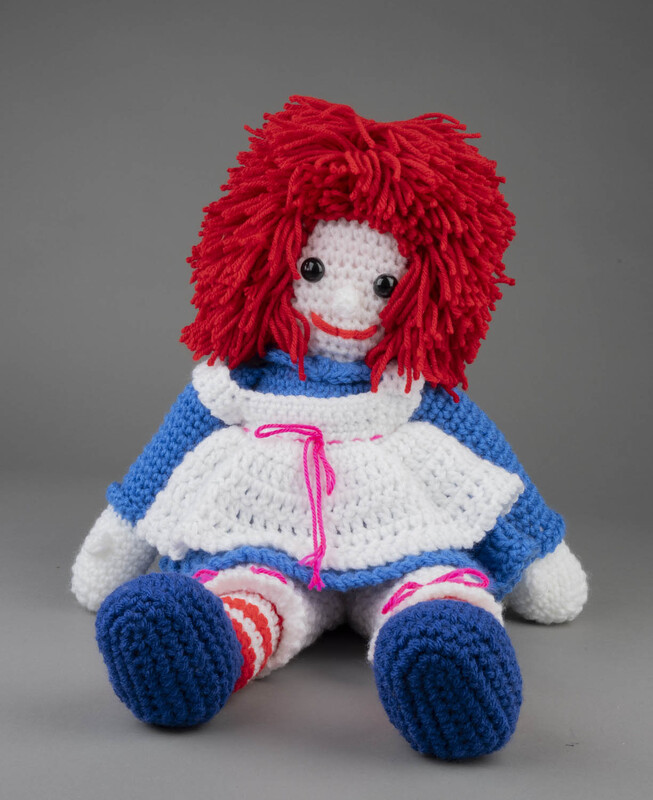
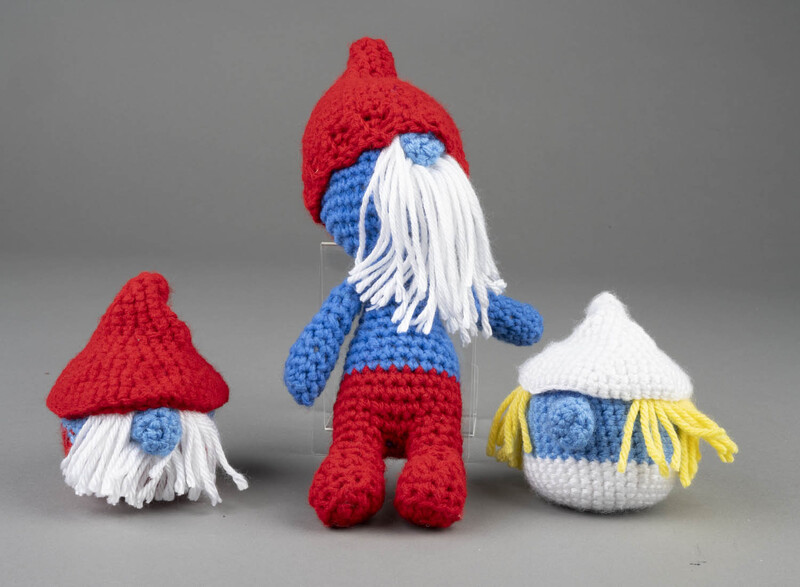
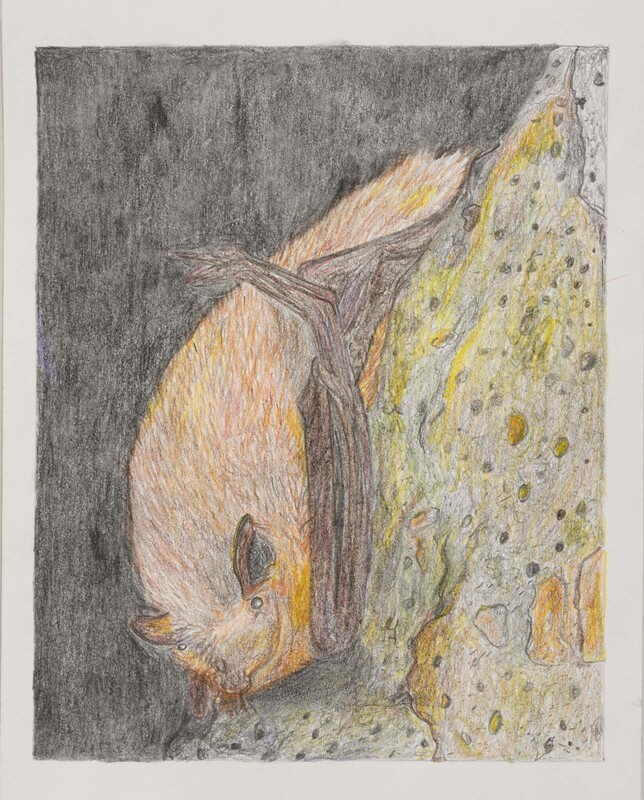
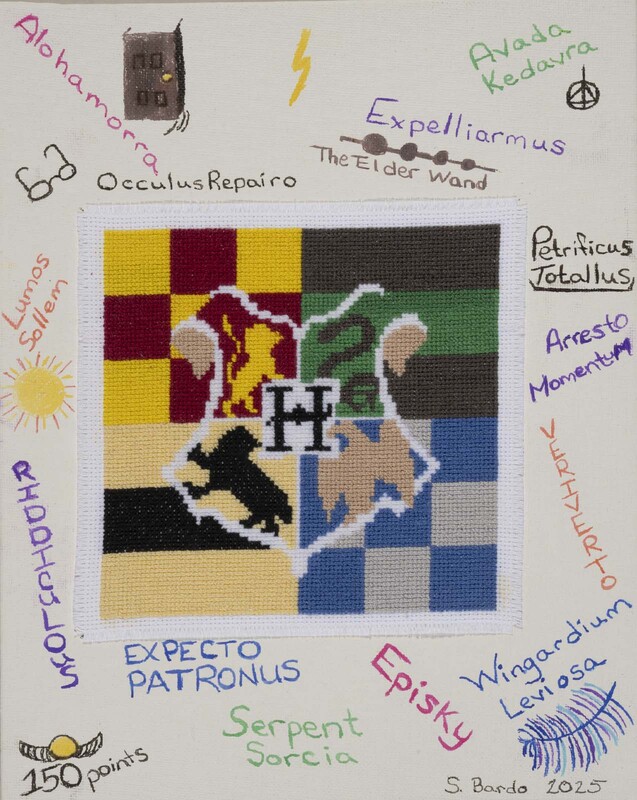
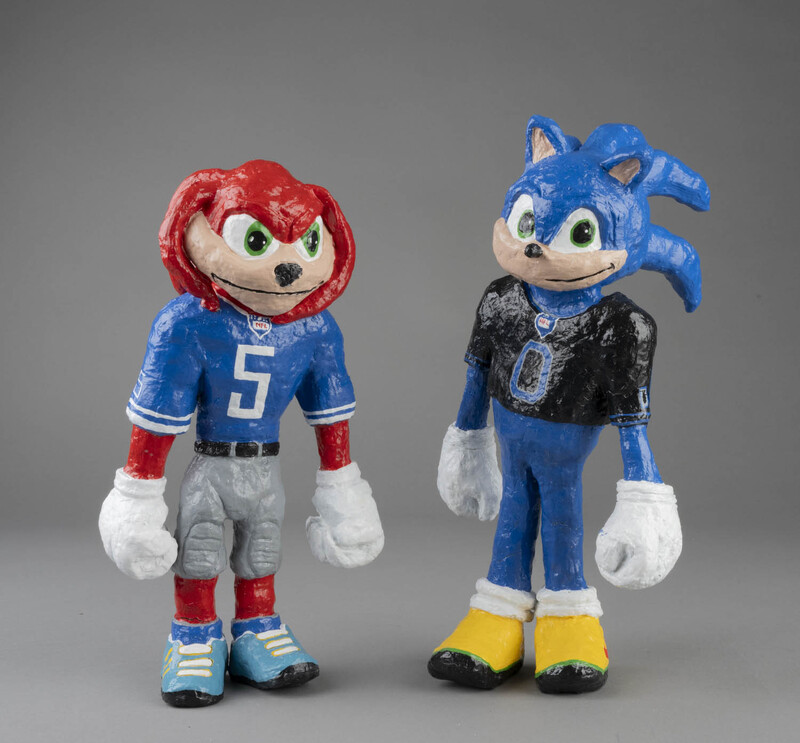
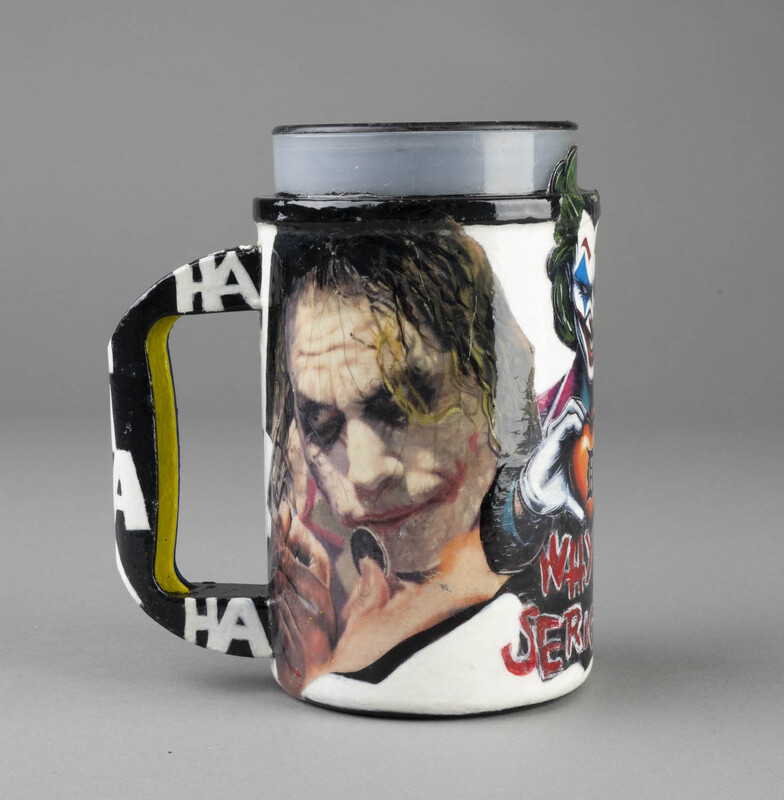
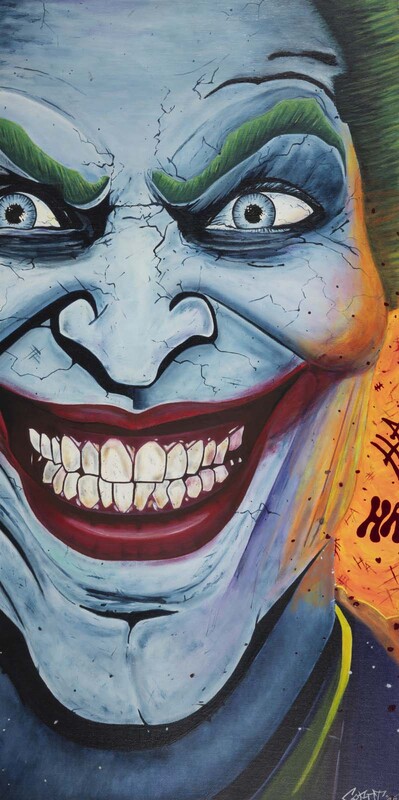
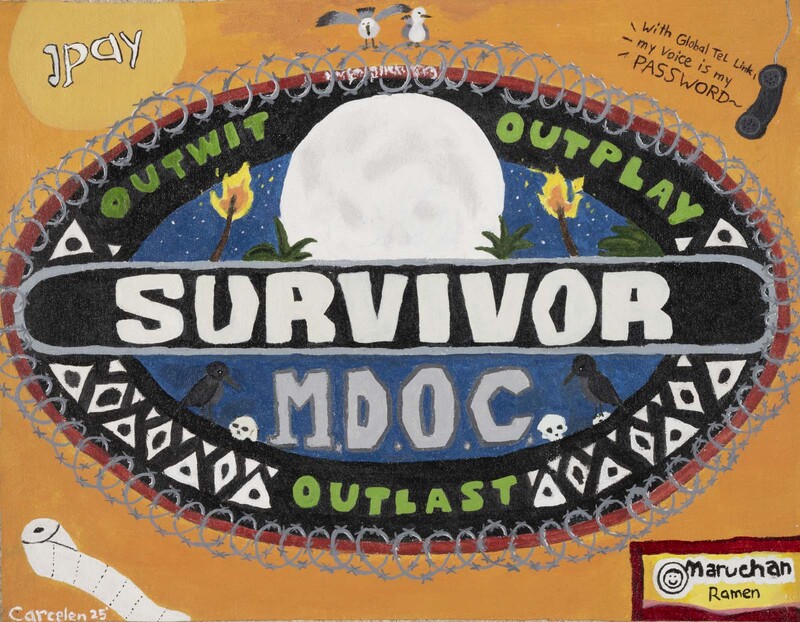
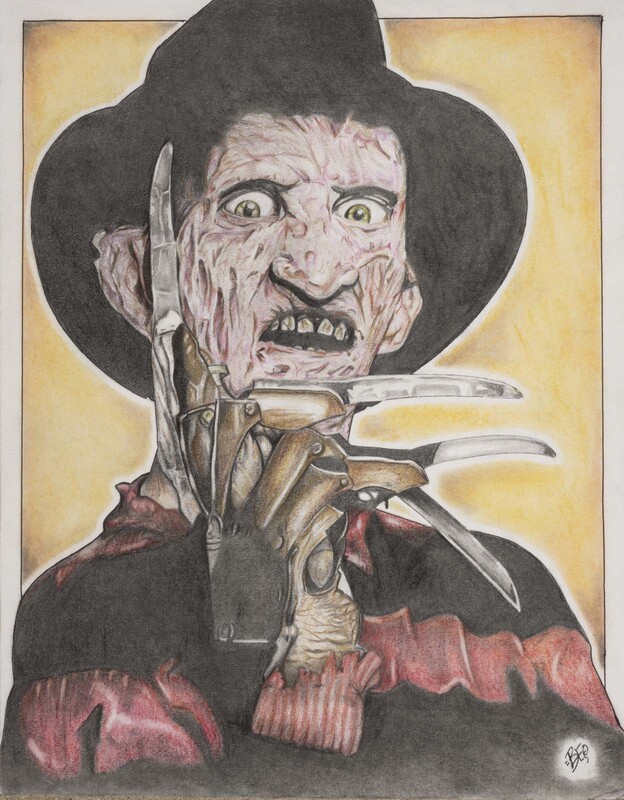
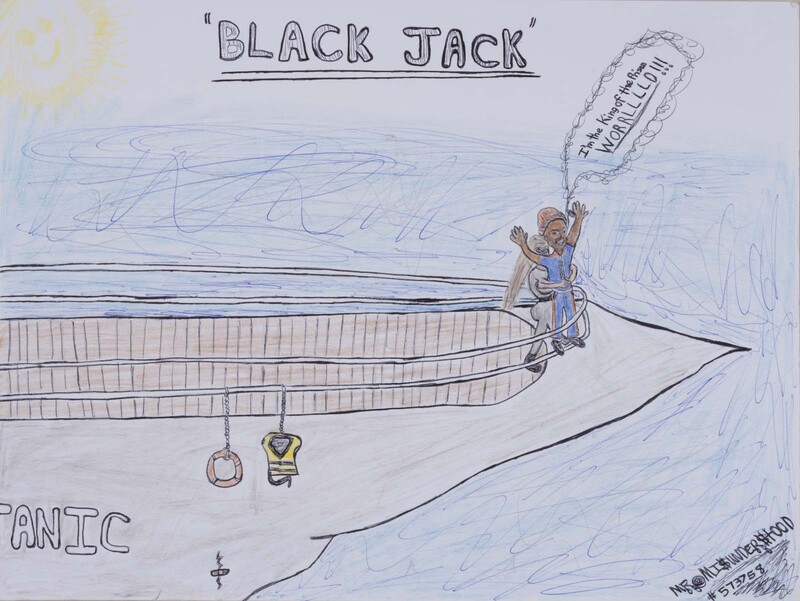
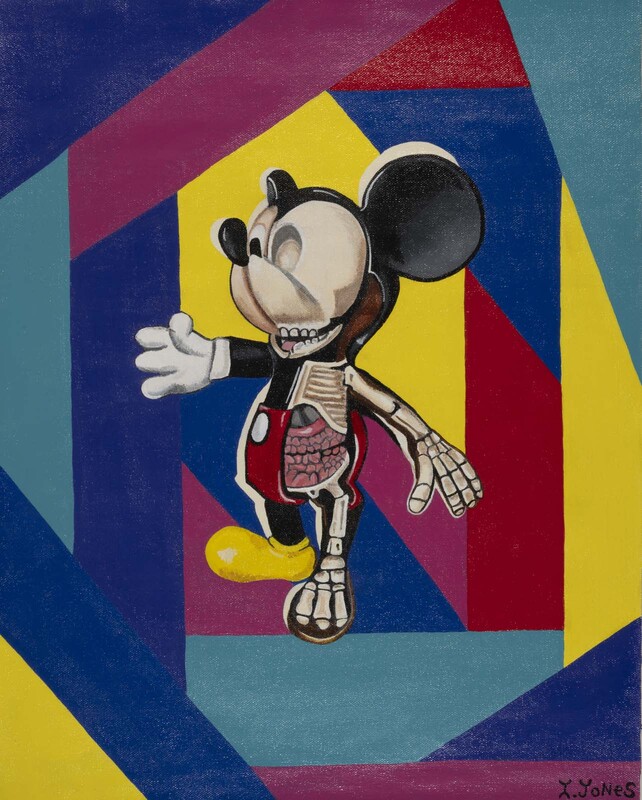
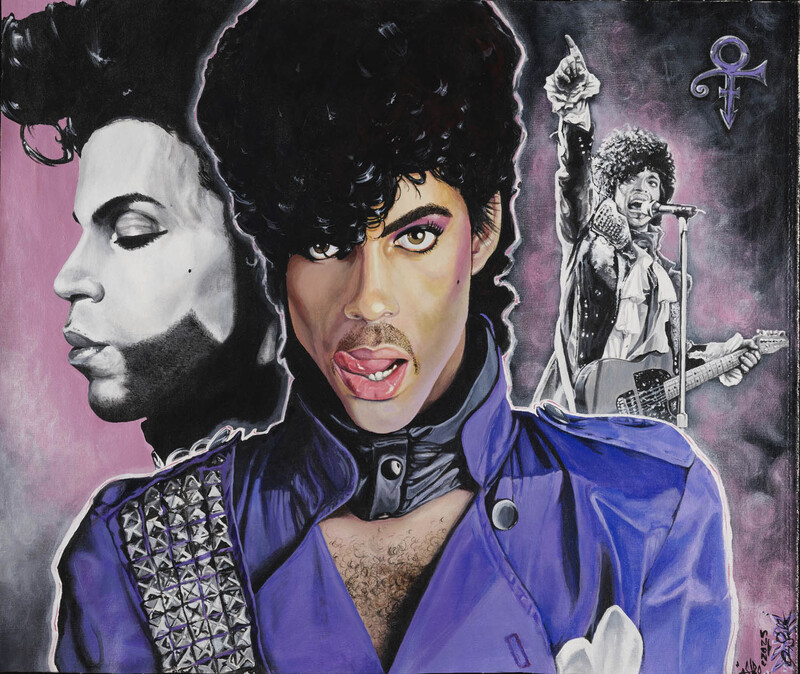
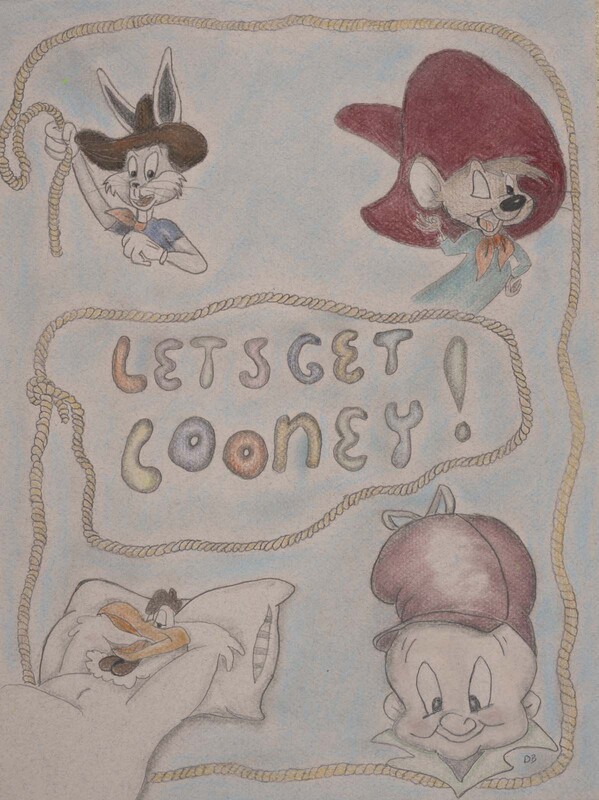
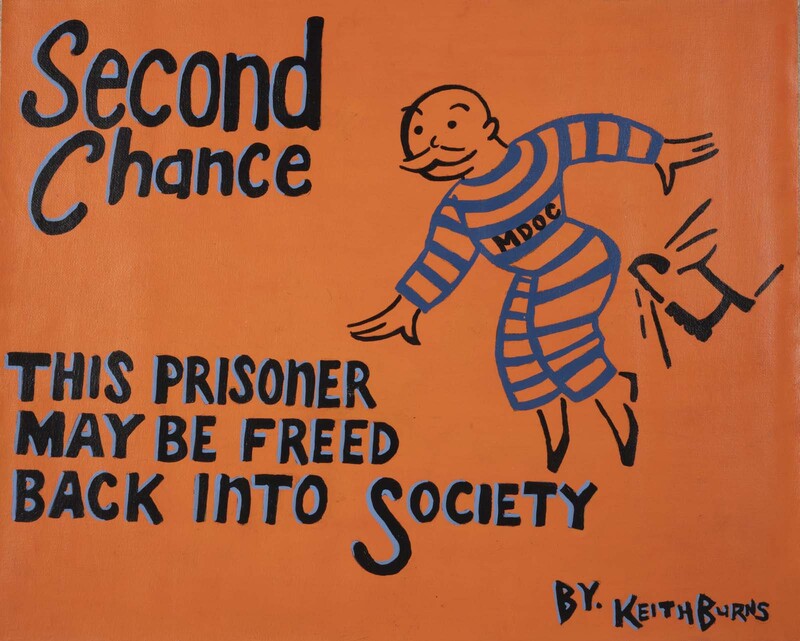
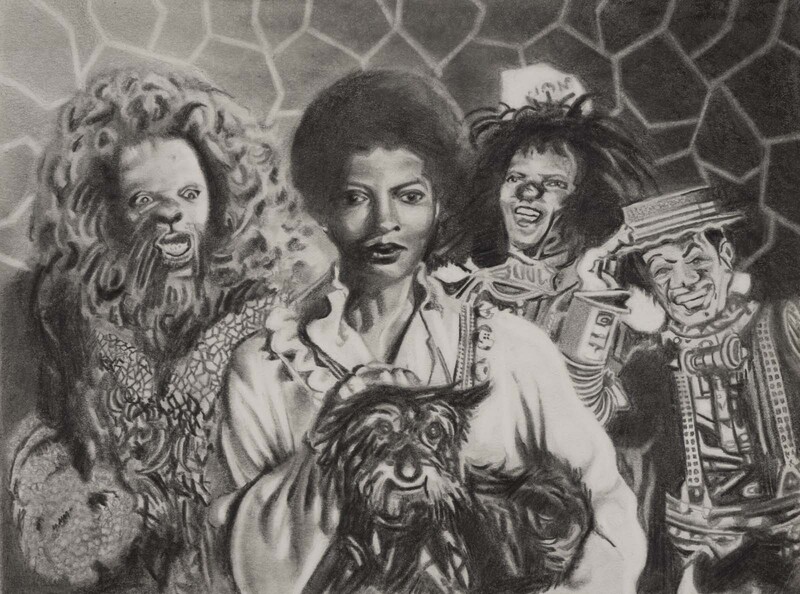
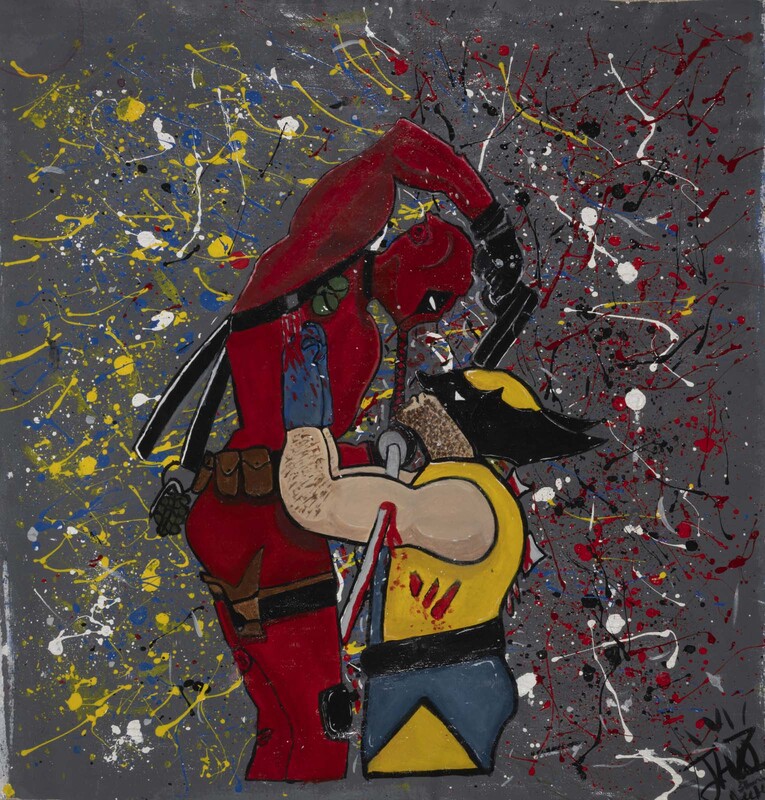
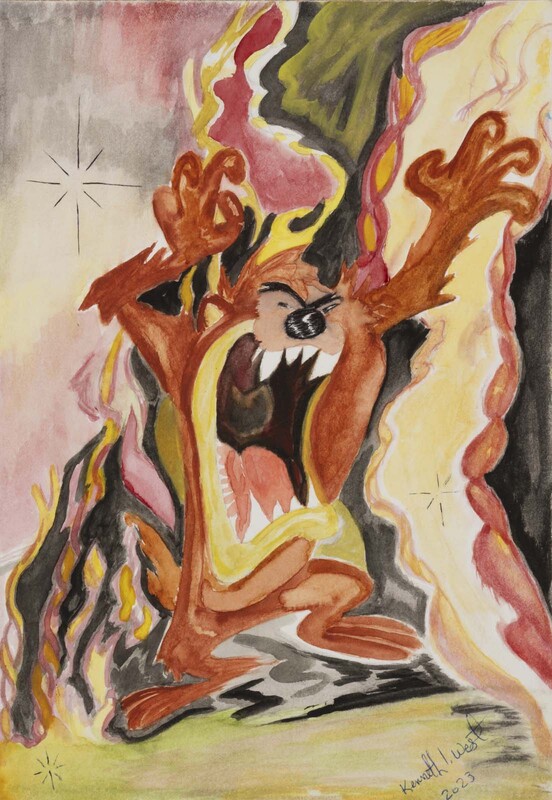
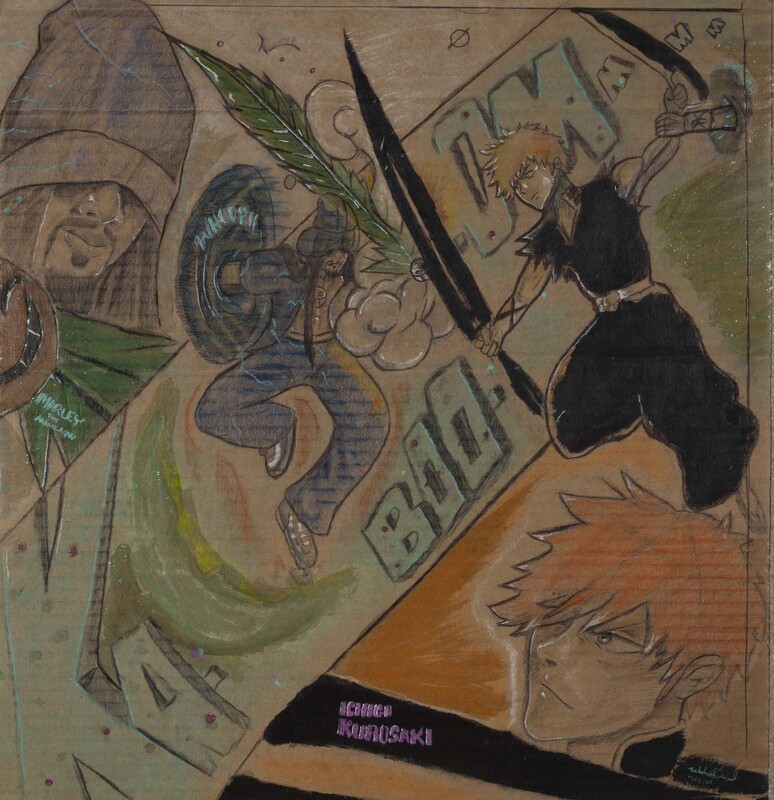
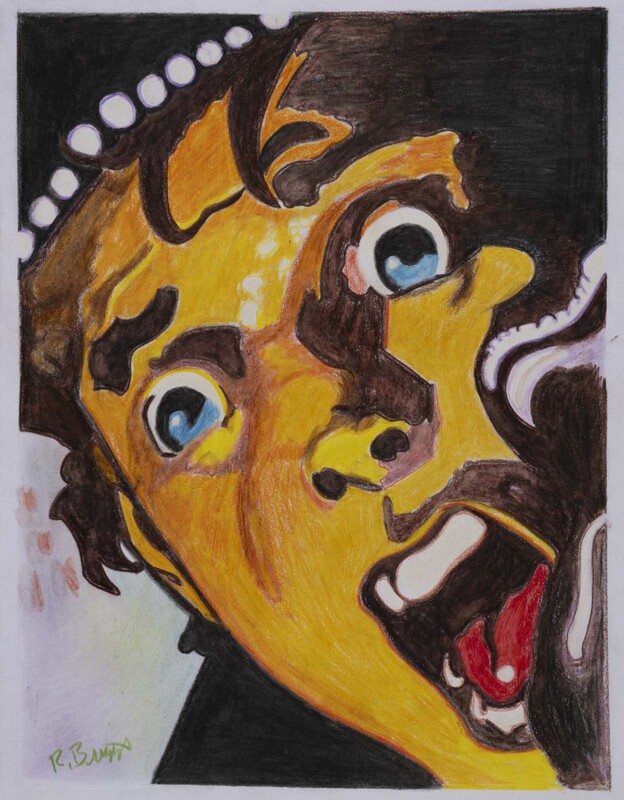
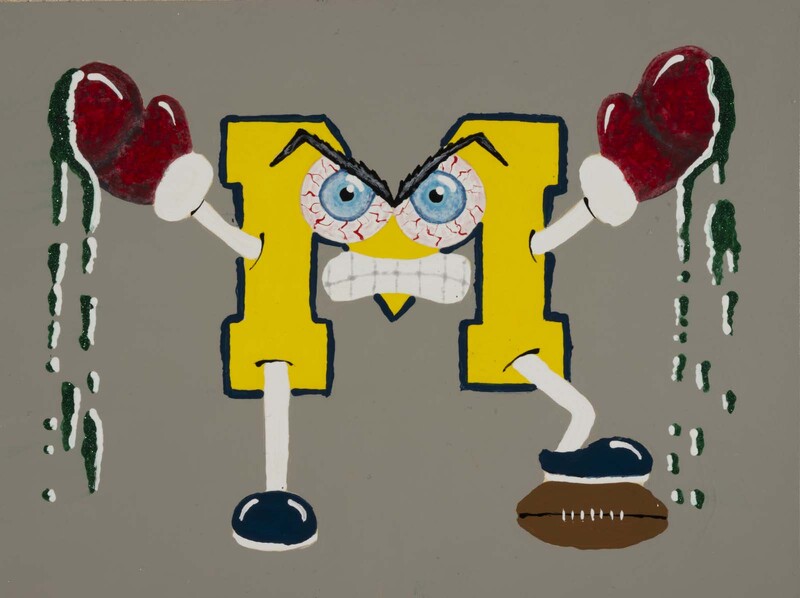
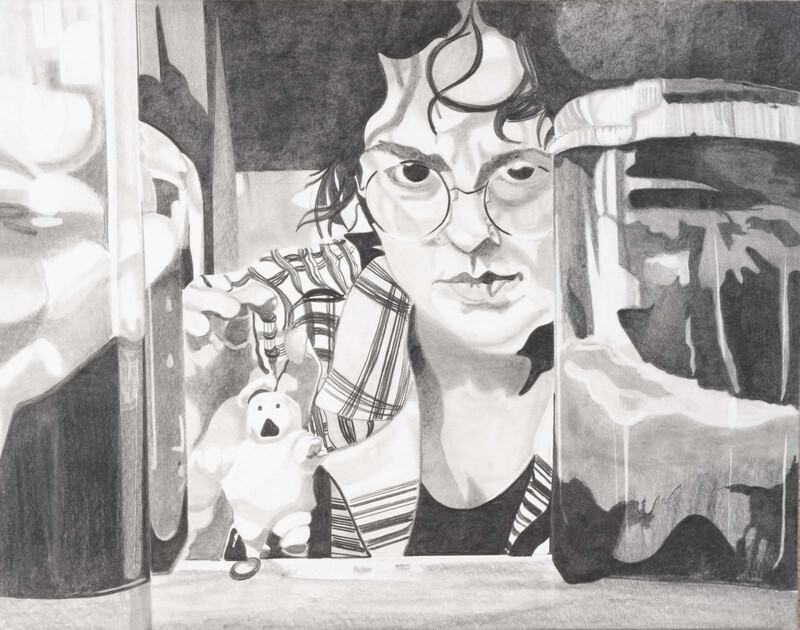
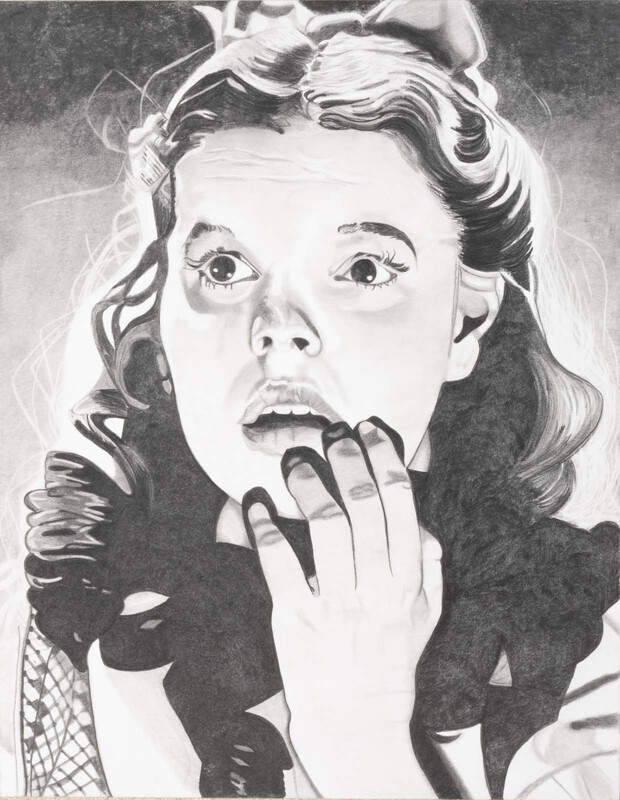
A regional sports team logo, an iconic scene from a film, a cast of spirited cartoon characters—such familiar imagery from popular visual culture seen in this section of the exhibition can be powerfully connective in the context of mass incarceration. These motifs tap into richly communicative shared visual languages that counter the rupture, silencing, disappearing, and internalizing enacted by a starkly punitive prison system.
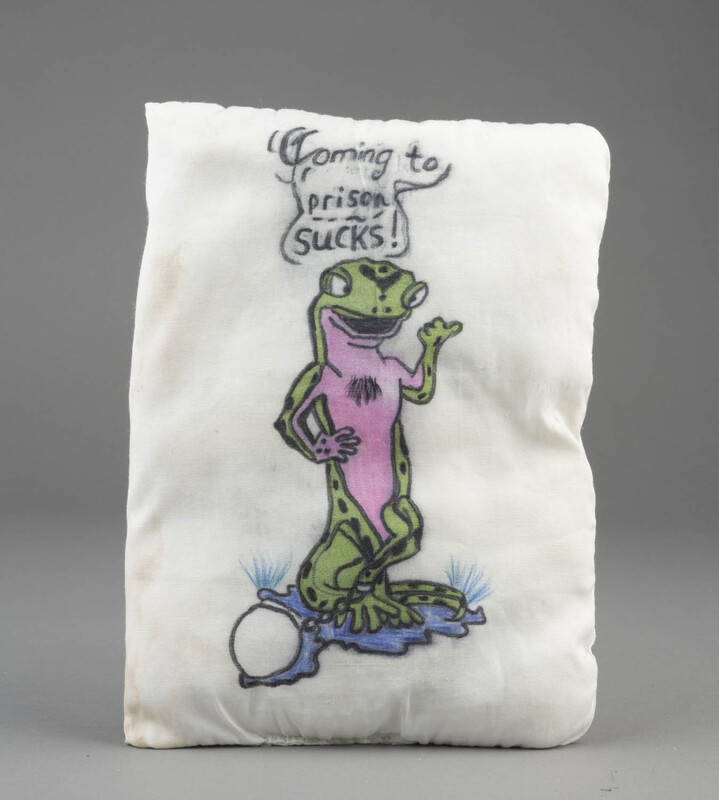
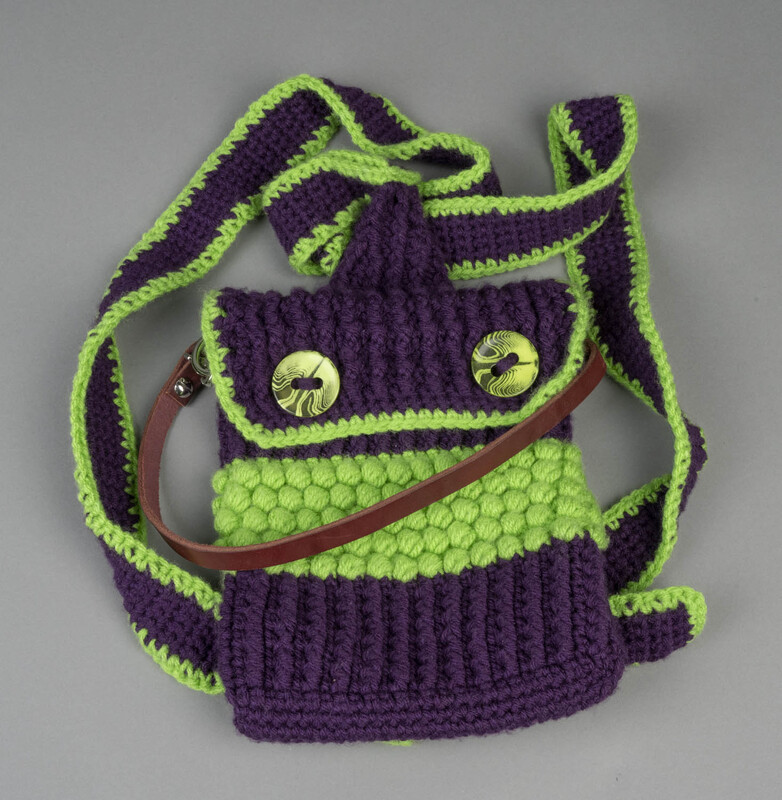
In the art we see many crosscurrents. Some of these currents flow from cultural experiences prior to incarceration and reflect heritage traditions, like the pen drawings on fabric that are reminiscent of Latin American paño decorated cloth napkins. Others reference forms of sociability and art economies inside prison, and the access (albeit restricted) to certain kinds of visual media.
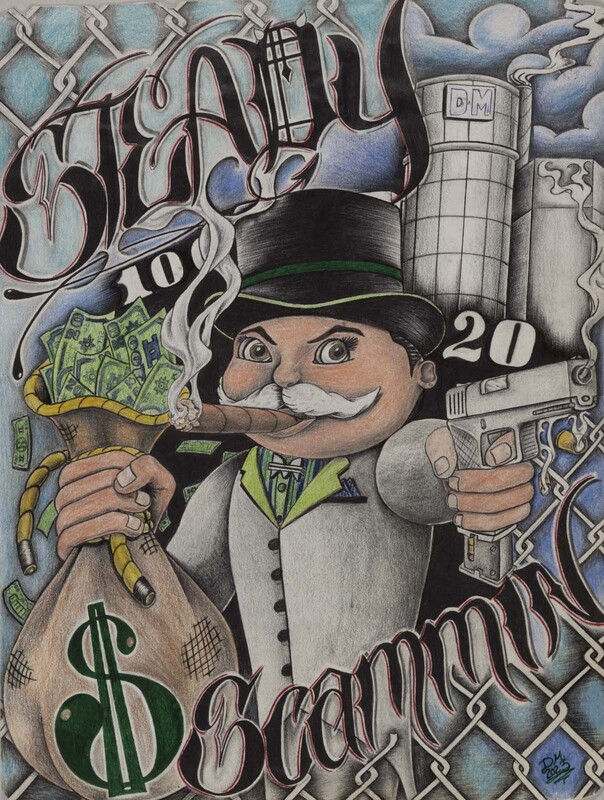
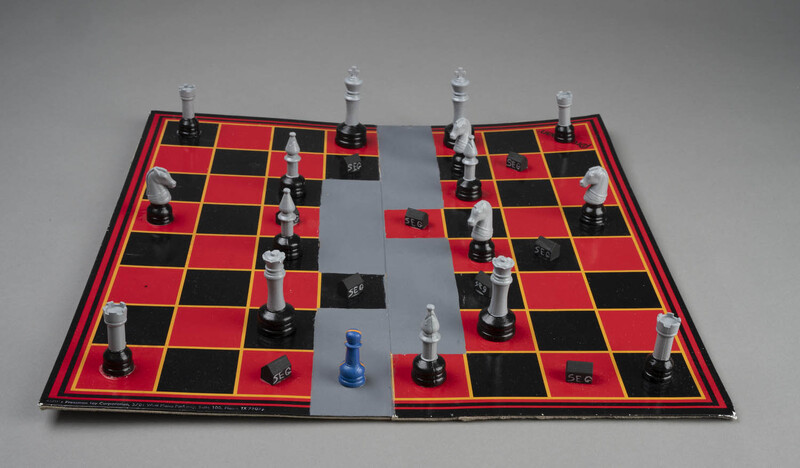
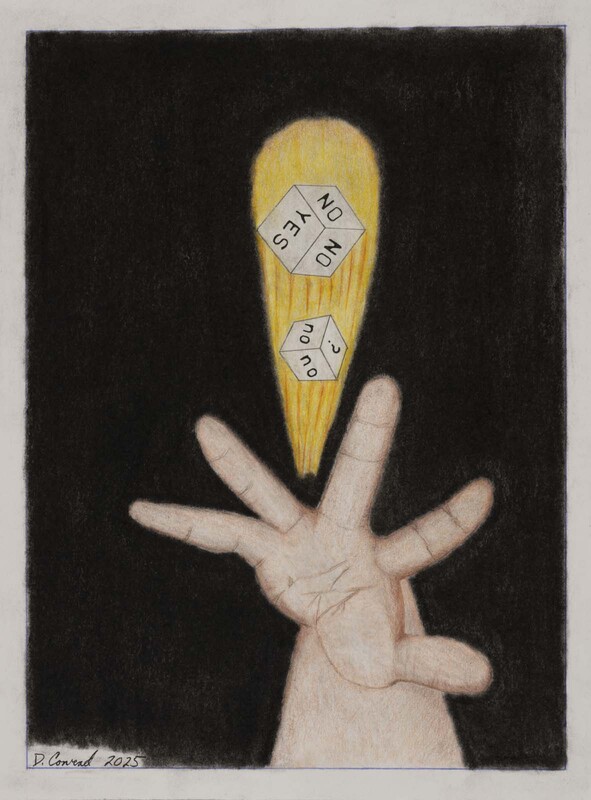
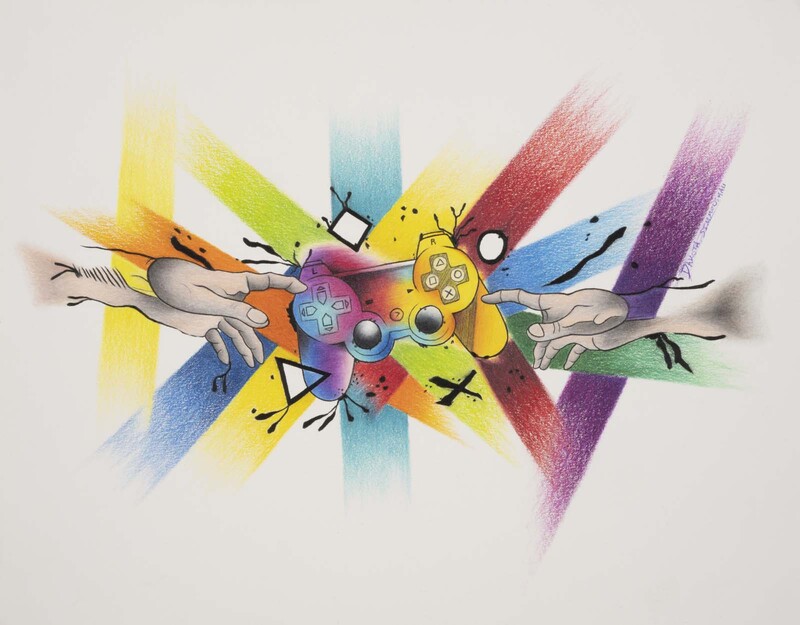
These shared visual languages are mobilized in a variety of ways. In his acrylic painting Neon Ninja, ‘Slug’ Ayers represents the character Michelangelo from the Teenage Mutant Ninja Turtles franchise. The visual idiom here is graffiti art, an oppositional counter-cultural mode, but also Slug’s personal signature style. Japanese-inspired Anime, which has become popular among younger artists, offers makers and viewers a relatable graphic style, and character types and storylines for imaginative reworlding. Game playing is inherently relational and temporal, and art that represents chess, cards, or Dungeons and Dragons can evoke convivial hours that counter the prison’s ordering of time on the daily printout schedule. Gaming elements can also deliver pointed critiques, as seen in Dewitt Gallahan Designed to Fail, where a reading of the chess board reveals that the only pawn present is ‘dressed’ in prison blues and confronts a formidable double set of strategically placed grey power pieces and Monopoly-like hotels recast as segregation units.
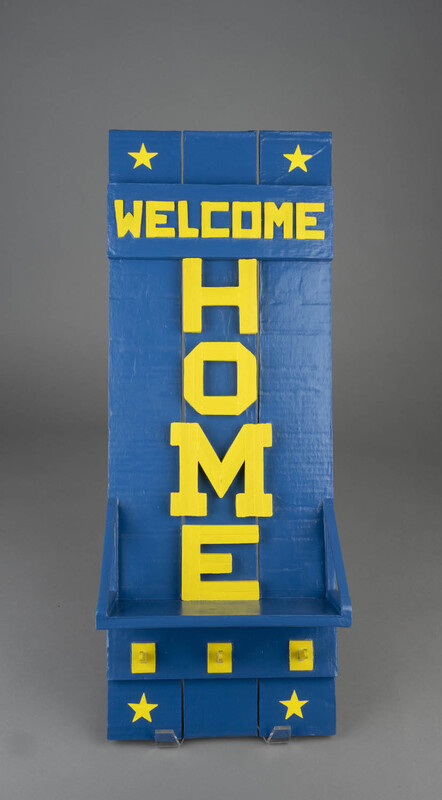
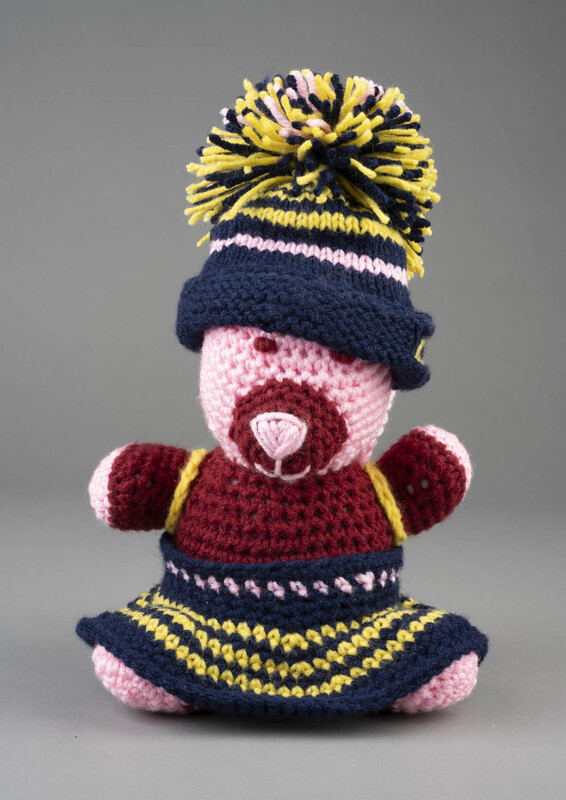
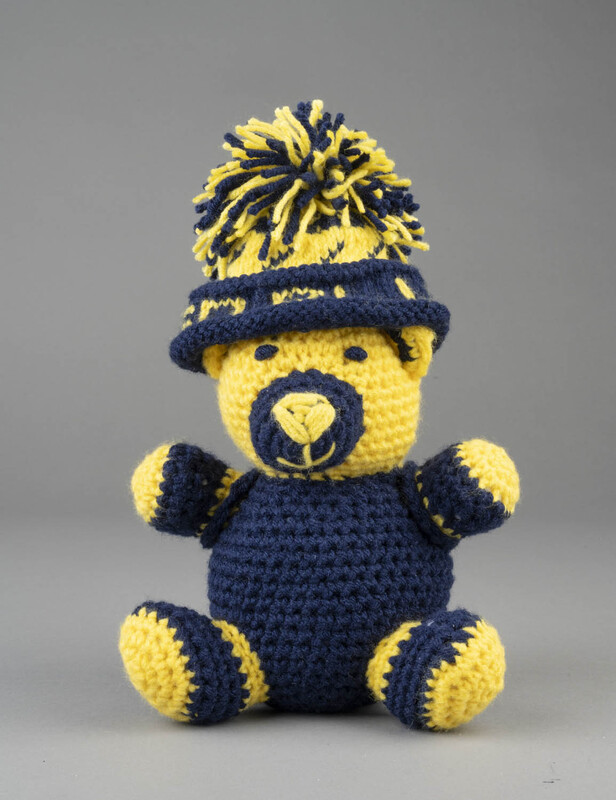
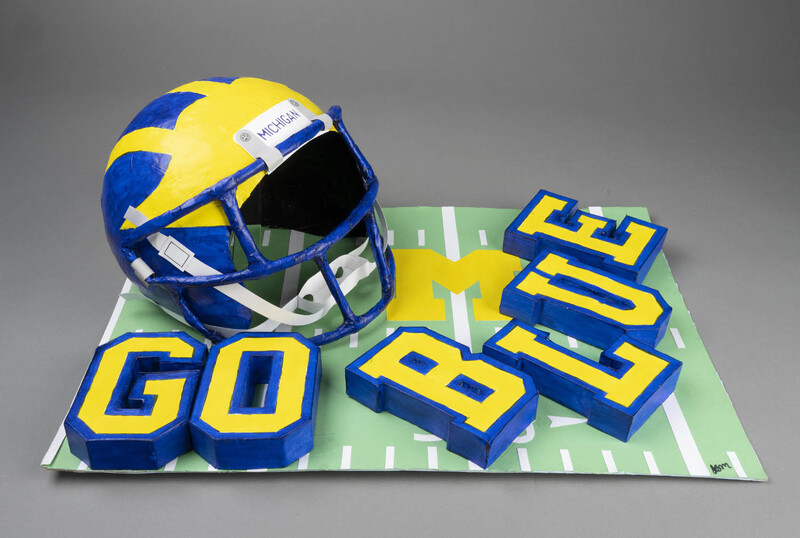
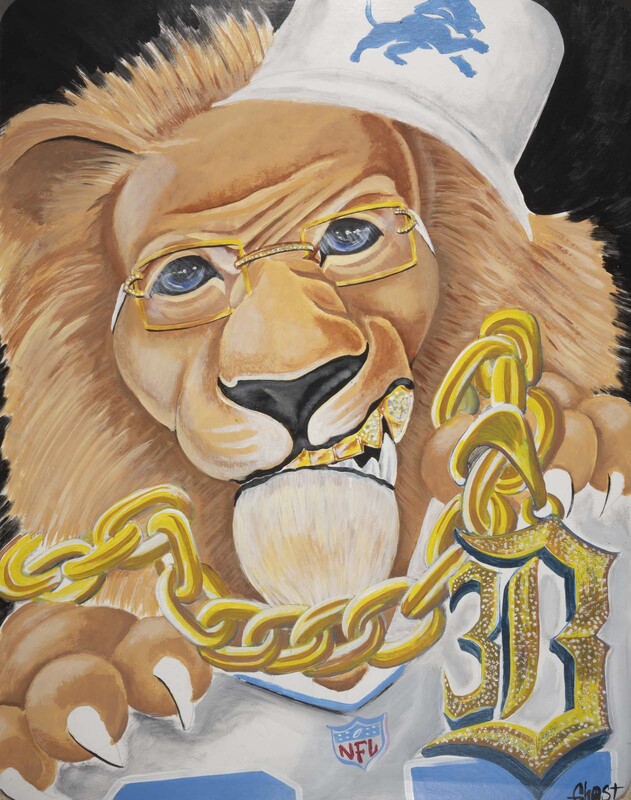
Sports imagery speaks to relationships that artists and viewers have to places and to communities. There is a vibrant sports culture inside prisons, with games televised in the common room, favorite teams and players followed over seasons, and pick-up basketball and tournaments. Detroit, where some people incarcerated in the state grew up, takes center stage following the recent success of the football team, giving rise to a pride of lions adorned in sky blue and white regalia. The rivalry between the U of M and MSU plays out in artistic imagery, too, with the dominance of the block M also reflecting the importance of the relationship artists have forged with the university through the PCAP program.
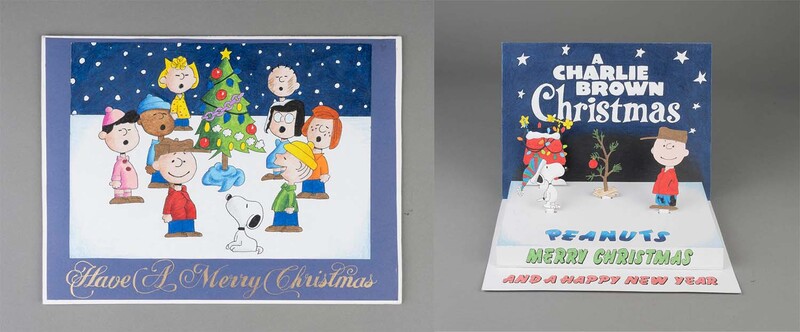
Two thriving art economies inside prisons have distinctive visual styles associated with them. Greeting cards are purchased from artists to send to family members and friends on birthdays and holidays, often with some degree of customization. They utilize familiar cartoon characters, hearts and other symbols of sentiment and humor, with elegantly stylized texts. These symbols and lettering are also features in the tattoo designs that are made for transfer to skin, but which are also used in ink and graphite drawings created as ends in themselves. Some of the artists hope to practice as tattoo specialists when they leave prison.
By: Megan Holmes